Total £ 00.00
Free Shipping
With over half a million procedures undertaken, you're in safe hands
A 'Chemical Peel' is a cosmetic technique used to resurface, and improve the appearance of the skin using a special, chemical solution. Although most often used to treat the face, Chemical Peels may also be used to treat skin on the arms, legs, hands, neck, back and buttocks.
The remarkable difference a Harley Street Skin Clinic treatment can provide
Next to muscle-relaxing injections, Chemical Peels are perhaps the most common non-invasive procedure available, offering patients an incredible complexion boost by stripping away the skin's damaged, superficial layer and revealing a newer, fresher layer of skin beneath.
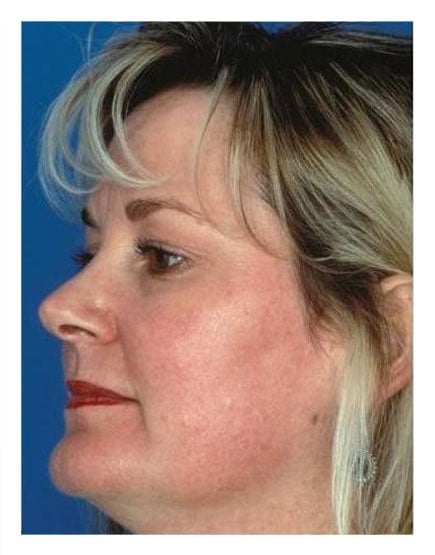
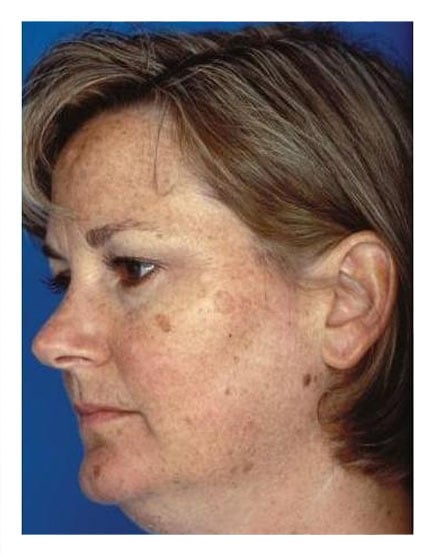
Pollution, extreme temperatures, sun rays... both light and strong Chemical Peels can have miraculous impacts on skin that usually suffers from the damaging effects of the elements. Lighter peels are designed to refresh dull, drab and worn-looking 'city skin', also helping to penetrate oil barriers, unblock pores and clear the skin of breakouts.
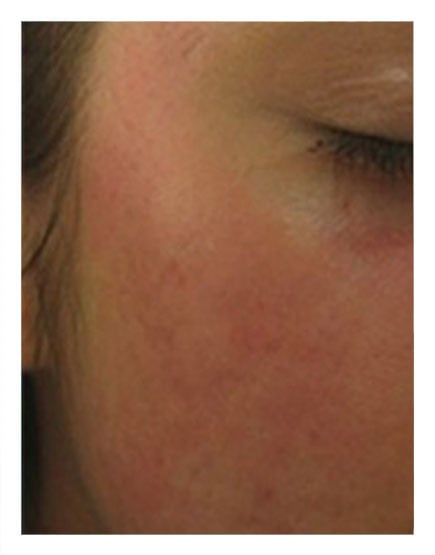
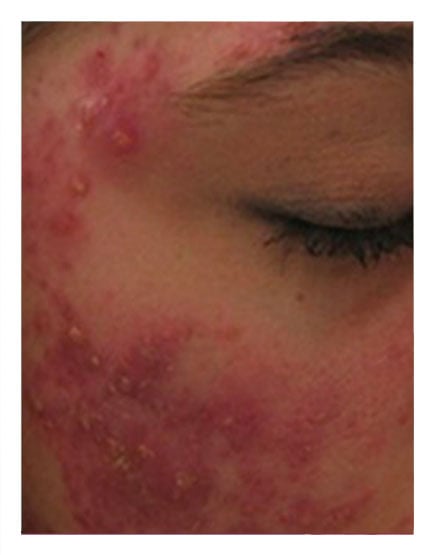
More intense peels will help to resurface skin suffering from acne scarring, melasma and pigmentation; improve the appearance of fine lines and wrinkles; and rid dark spots and the effects of sun damage. Whatever your skin concerns, Chemical Peels are a fantastically non-invasive way of giving the skin an incredible dose of rejuvenation.
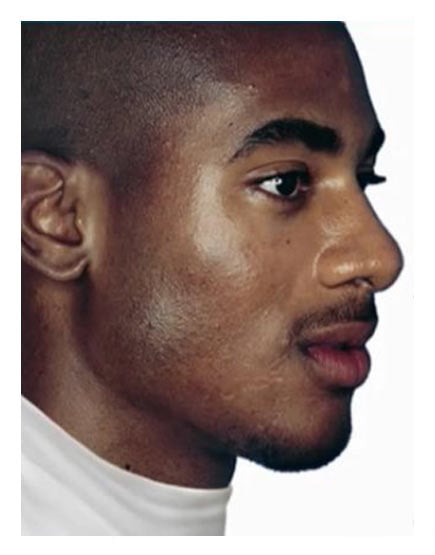
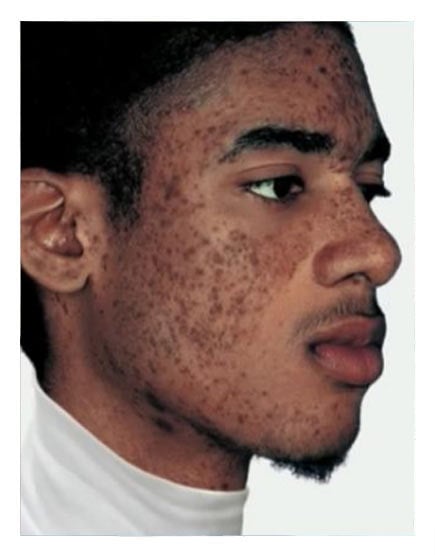
Whether it be for a milestone birthday, part of your wedding prep, or just for a particularly important party; Chemical Peels can give the perfect surge in radiance for special occasions. If you're wanting to look effortlessly more glamorous with a rich healthy glow, then a Chemical Peel could be just the ticket.
Helping to bring out the very best version of you!
Our selection of chemical peels range from a light exfoliation right the way through to deep resurfacing and scar correction, after all, every face presents a different case. Whether you are looking for a touch rejuvenation, a reduction in pore size, colour correction or even an drastic improvement to skin texture - Harley Street Skin have a chemical peel to bring the best version of you to the surface. With 7 perfect peels to choose from, we're prepared for anything. So, what can we help you with today?
Enzymes serve to speed up natural skin renewal, helping to improve skin texture, tone and clarity. Offering a gentle solution to cell regeneration, these peels are great for all skin types, carefully buffing away dead skin cells through naturally stimulated chemical reaction.
Classification: Light
Glycolic peels are perfect for freshening up dull, tired and worn out looking ‘city skin’, deeply exfoliating while gently resurfacing. They are suitable for all skin types - including sensitive skin - leaving the treatment area brighter, smoother and more hydrated. A course of 6 treatments, spaced one week apart, is recommended for best results.
Classification: Light
Jessner peels can be customised in strength by applying multiple layers and therefore are fantastic at treating deep scarring and pigmentation. In addition to this, they are a fantastic remedy for clearing blocked pores, reducing redness, soothing inflammation and even reversing skin laxity.
Classification: Medium - Deep
Multimask peels are incredible for correcting pigment problems, such as those caused by hormone imbalances, pregnancy (particularly Chloasma sufferers) and sun damage. This is a comprehensive, one peel miracle treatment which comes with a 28-day course of melanin-suppressing skin creams.
Classification: Medium
Salicylic is fantastic for treating acne and oily skin, as well as fine lines and wrinkles. A peel using Salicylic will help strip the skin of debris and oil leading to breakouts, blackheads, inflammation and irritation; drastically improving the complexion overall.
Classification: Light
TCA peels are the crème de la crème of resurfacing treatments; softening acne scars, pigmentation, sun damage, fine lines, wrinkles and skin laxity*. TCA peels come in a variety of strengths and treatment for deeper scarring may require application of an anaesthetic cream.
Classification: Deep
*This treatment is not recommended for dark, fine or sensitive skin.The VI Derm Peel is a collagen stimulating peel, extremely popular among the stars. VI Peels are incredibly effective for ageing and pigment concerns (such as Melasma etc.), as well as skin suffering from scarring and a general lacklustre. Skin following VI treatment will appear clearer, firmer and far more radiant.
Classification: Medium
Follow two of our celebrity patients on their journey to becoming their better selves
Every step of your journey with Harley Street Skin is handled with the utmost care and diligence. From your very first consultation, right the way through to follow up and aftercare, Harley Street Skin will guide, advise and support you at every given opportunity. We want to make sure that your time with us is as special to you, as you are to us...
The answer to some of the most common questions you may have
It's only natural to have questions if you are considering pursuing a treatment for the first time, and at Harley Street Skin, it's important to us that you feel confident and comfortable at every stage of your journey. To help you find the answers you need, here are a few of the more common quibbles that we find our clients frequently ask...
Chemical Peels range from the mild (the glycolic or salicylic) to the deep (a high strength TCA), and are achieved by applying a special, acidic irritant skin on the surface and allows new, fresh skin to form. The chemical solution reacts with the epidermis in such a way that it creates a superficial wound which the body then endeavours to heal by stimulating cell regrowth.
Beforehand, the doctor will cleanse the skin and, if required, apply topical anesthesia. Some of the deeper, more abrasive peels may require IV sedation to ensure patients are as comfortable as possible throughout the duration of their peel. Chemical agents will then be applied to the skin, and left for a few minutes to start breaking down the epidermis layer. During this time, patients may experience some slight stinging or a mild sensation of heat. Doctors will then remove the solution, and soothe the treated area with a cold compress.
Chemical Peels are fantastically restorative and are especially popular amongst those seeking relief from serious skin complaints such as acne or hyperpigmentation. Many will also opt for a Chemical Peel when in search of special skin radiance for an important occasion or event.
Pending your choice of peel, you can expect to see improvements in everything from skin clarity to oil-control and scarring. They are also known for dramatically reducing the appearance of fine lines, wrinkles, pores, sun damage, age spots, pigmentation and melasma.
Light Chemical Peels will leave your skin looking more taut and hydrated for around 1-2 months, whereas moderate peels will see results for up to 6 months. Deep visible results of their peels for up to 3 years after treatment.
Results will also depend on how well you continue to care for your skin, as best results are achieved through diligent skincare, ample moisturising and careful protection from the sun. Our dedicated skincare specialists will be happy to advise you on how to best care for your particular skin type, and extend the results of your chemical peel for as long as humanly possible.
On average, a chemical peel should take no longer than an hour to complete. Depending on the nature of the peel, some of this time may be allocated to applying anesthesia and allowing it to take effect in preparation. You should start seeing results of your chemical peel from anywhere between day 2 and day 10.
Side effects of a mild chemical peel will include redness; flakiness and peeling; tightness, and moderate sensitivity in the treated area. Side effects of more intense peels will additionally include skin tenderness, warmth, itchiness and a slight stinging sensation that may linger for up to a week after treatment. It is to be expected that skin will appear extremely red and scaly for a few weeks after a particularly deep peel, although this is entirely normal and part of the healing process. The old skin will soon fall away leaving a beautifully fresh looking layer beneath.
Skin healing can take anywhere from 2 weeks to 2 months depending on the depth and severity of the peel. With mild peels, fresh skin will begin reforming from 2 days and will have healed perfectly between days 10 and 14. Certain more intense Chemical Peels can take up to 2 months to heal entirely, but will have a far more dramatic, long-lasting result.
Mild peels will require little to no downtime at all, and patients should be able to return to normal work duties the following day, if not before. Recovery from a deeper peel, however, is a little more substantial and some will require a week or 2 to recuperate fully. This downtime will enable you to both appropriately care and protect your skin during the healing process when it is particularly sensitive. By 2 months, fresh, new skin will have entirely replaced the previously damaged layer and at this point, patients will be able to see the full benefits of their rejuvenating peel.
The award winning clinic dedicated to helping you be your best self
We understand that deciding to go forward with cosmetic treatment can feel like a huge decision. One that we certainly wouldn't expect you to go ahead with without hearing a little bit about us first. Here is exactly why people around the world are happy to put their trust into Harley Street Skin Clinic.
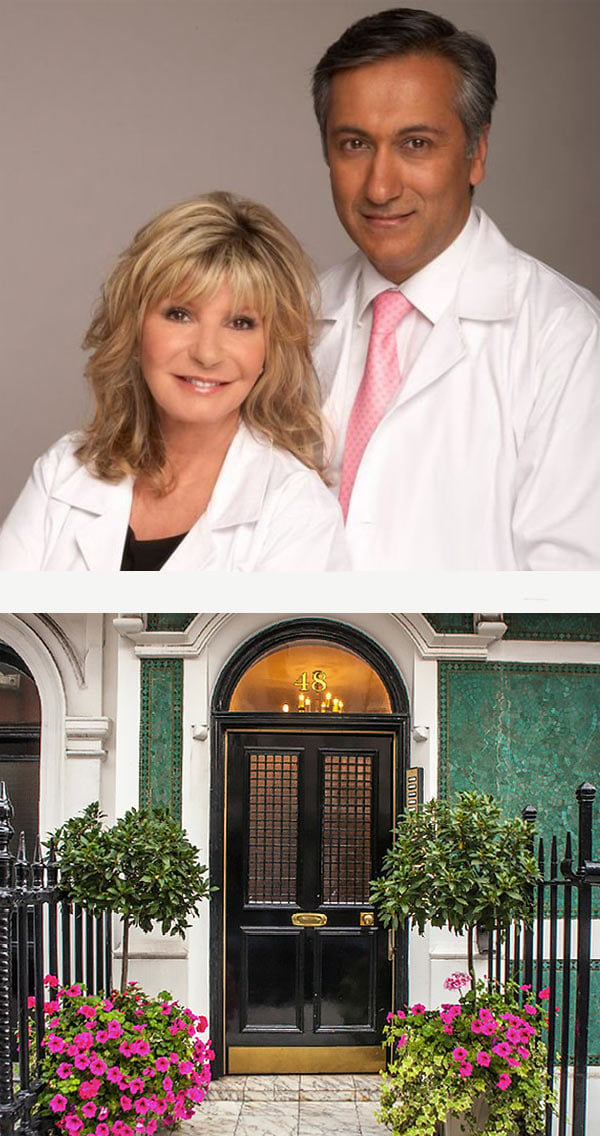
Since 2004, Harley Street Skin has been on speed dial to some of the world's highest flyers thanks to the expertise of cosmetic tour de force, Dr. Aamer Khan and wife Lesley Reynolds.
With their flagship clinic based on the world’s most famous medical strip, Harley Street Skin quickly became a medical and cosmetic frontrunner, drumming up a pristine professional reputation and impressive roster of celebrity clientele. The clinic was in fact so thriving that it gained the attention of television network SkyOne, becoming the focus of hit documentary series Stitch Me, Lift Me, Tuck Me.
Offering an expansive range of both surgical and non-surgical treatments, Harley Street Skin are renowned worldwide for their cosmetic precision, expertise and minimally invasive techniques. From top of the line body sculpting treatments and cosmetic contouring to breast enhancement and discreet anti-ageing lifts, Harley Street experts offer the A-list experience from consultation through to aftercare.
But that's not all. Harley Street Skin are also pioneering skincare specialists, offering solutions to everything from anti-ageing and resurfacing, to colour correction and hydration.
Carefully formulating the perfect regime for even the most stubborn and unusual of skin complaints, Harley Street Skin boast an acclaimed skin care range frequently making an appearance in beauty mag must-haves, health and lifestyle columns, and celebrity handbags around the world.
With highly skilled practitioners, doctors and surgeons on hand at every turn, Harley Street Skin can help you attain the aesthetic you've been dreaming of - whatever your cosmetology needs.




As Seen On