
Alopecia symptoms and causes
Doctor-led diagnosis and treatment for alopecia
★★★★★
20 Years of Safety: Trust in our 20 year track record and history of excellence
Award Winning Clinic: Over the last two decades we've received multiple awards
Search
Body & Intimate
Hair & Beauty
Injectables
Laser & Tightening
Skin & Facials
Search
Body Concerns
Face & Neck
Hair, Brows & Lashes
Skin Concerns
Discreet, expert treatments for the body and intimate areas, delivered in complete privacy.
Body Contouring
Reshaping and firming treatments that refine your silhouette and smooth stubborn areas.
Intimate Treatments
Sensitive, confidential care for intimate areas, carried out by experienced practitioners.
Restorative hair treatments and finishing touches that frame and complete your look.
Hair Loss
Evidence-based treatments to restore density and the appearance of a fuller hairline.
Lashes & Permanent Makeup
Long-lasting enhancements that define your features and simplify your daily routine.
Expertly administered injectable treatments to smooth lines, restore volume and refresh tired skin.
Botox
Precise botox that soften expression lines and refine facial balance.
Fillers
Tailored filler treatments that replace lost volume and sculpt your natural contours.
Skin Boosters
Deep hydration and cellular repair delivered directly into the skin for a lasting glow.
Advanced device-led treatments that resurface, tighten and even out the skin without surgery.
Laser & IPL
Targeted laser and light energy to treat pigmentation, redness and uneven texture.
Skin Tightening & Lifting
Non-surgical lifting and firming for a more defined jawline, cheeks and neck.
Expert care for a wide range of skin conditions, ensuring healthy, radiant skin.
Chemical Peels
Controlled resurfacing peels that lift pigmentation, refine texture and reveal fresher skin.
Facials & Cleansing
Rejuvenating facial treatments to cleanse, resurface and enhance your natural radiance.
Microneedling
Collagen-boosting treatments that soften scarring, refine pores and firm the skin.
Veins & Blemishes
Comprehensive care for skin lesions and bumps, promoting clear and healthy skin.
Comprehensive solutions to address a range of body concerns, from stubborn fat to skin laxity.
Shape & Contour
Specialised treatments to refine stubborn pockets of fat, dimpling and contour irregularities for a balanced silhouette.
Skin Laxity & Marks
Firming and resurfacing treatments for loose body skin, stretch marks and post-pregnancy skin changes.
Veins & Thread Veins
Effective clearance of visible leg veins and thread veins to restore an even, unblemished appearance.
Expert treatment for the concerns that show first — lines, lost volume, tired eyes and slackening skin across the face, jawline and neck.
Eye Area
Focused treatment for the delicate eye area, where puffiness, hollowing, hooding and fine lines make you look tired.
Lines & Wrinkles
Smoothing treatments for the expression and static lines that form across the forehead, mouth and neck over time.
Sagging & Laxity
Lifting and tightening solutions for jowls, softening cheeks and a loss of definition through the jawline and neck.
Volume & Contouring
Tailored solutions to restore facial volume and enhance natural contours for a more youthful appearance.
Restorative and enhancing treatments for thinning hair, sparse brows and lashes that lack lift.
Brows & Lashes
Enhancement for sparse brows and straight, downturned lashes to frame and open up the eyes.
Hair Loss
Diagnostic-led treatment for thinning, shedding and patchy hair loss, including postpartum and autoimmune causes.
Targeted care for the health and appearance of your skin, from acne and rosacea to pigmentation, texture and scarring.
Acne & Blemishes
Clinical management of active breakouts, congestion, enlarged pores and the scarring acne leaves behind.
Pigmentation & Skin Tone
Corrective treatments for dark patches, sun damage and an uneven complexion, for clearer and more even skin.
Scars, Marks & Skin Lesions
Treatment and removal options for scars, burns, raised lesions and sun-related skin growths.
Sensitive & Inflamed Skin
Calming, evidence-based care for reactive, red and inflamed skin, including rosacea and eczema.
Texture & Skin Quality
Resurfacing and hydrating treatments for rough, dry or lacklustre skin that has lost its smoothness and glow.
★★★★★
20 Years of Safety: Trust in our 20 year track record and history of excellence
Award Winning Clinic: Over the last two decades we've received multiple awards
Understanding Alopecia Areata
Alopecia areata is an autoimmune disease that causes the body to attack hair follicles. Usually the scalp is most affected and because of this there are smooth, usually round patches in which hair has been made completely bald. These circles may look like portions of hair loss about the circumference of a coin, though some people lose hair much more than just patches.
No two people experience the same progression of alopecia areata. It is possible for people with alopecia areata to have repeated episodes or only a single occasion may occur. While there is no cure, treatments can help hair regrow and support are available for those experiencing hair falls.
The most tell-tale sign is sudden hair loss in small and circular patches, usually on the scalp but also can be noticed anywhere on the body.
In some cases, the hair loss is likely to develop into extensive patches and even full loss either on the scalp (alopecia totalis) or whole body alopecia (alopecia universalis).
Any changes in your nails, such as pitting and ridges or ending up being brittle.
Others may experience tingling or itching in the regions of hair loss before losing their strands.
If the hair loss is sudden, severe or covers large areas or a few patches of your scalp, book an appointment with your specialist. You should go to a doctor for a diagnosis and treatment, especially if you have noticed that your nails are changing or the hair loss is affecting any other aspect of your life.
A board-certified dermatologist can diagnose severe alopecia areata by simply examining your areas of hair loss and sometimes the nails under a device called a dermoscope. They will inquire into your health history and the family cases related to alopecia areata.
Sometimes, they have to take hair samples or do a biopsy and see them under the microscope for examination. Thyroid queries and a look for iron status/vitamin deficiencies may necessitate blood tests.
After collecting all this information, your dermatologist would be able to confirm whether or not you have alopecia areata and will explain its implications along with possible treatments over the clinic desk.
Alopecia areata is an autoimmune disorder where the body’s immune system often attacks hair follicles, mistaking them for dangerous intruders. This results in small, round patches of hair that fall out from the scalp. It can also be related to your genetics as what makes antibodies and genes in general would determine the response of the individual body, amidst infections or other environmental triggers. Some types of hair loss are permanent, like male and female pattern baldness. This type of hair loss usually runs in the family. Other types of hair loss may be temporary. They can be caused by: an illness, stress, or effect of cancer.
While anyone can develop alopecia areata, these risk factors increase the risks:
Having these risk factors doesn’t mean that you’ll get alopecia areata and similarly people without any of the following risks can also experience hair loss.
Suffering from increased hair loss can lead to feeling low on energy, finding it hard to concentrate and suffering with feelings of depression in some cases which has an adverse affect on mental well-being.
Regrowth of hair happens in different directions, textures and at an irregular pace making the regrowing process unpredictable.
People with alopecia are at a much higher risk of developing thyroid issues, vitiligo, psoriasis, lupus and eczema.
Some treatments may have side effects on the skin, such as thinning, discolouring problems and infections or more dangerous disorders like dermatitis or blood clots.
No related podcast episodes found.
Some lifestyle changes can lower the chance that you will get alopecia. A diet equal in the proper vitamins and minerals such as biotin, iron, zinc is going to lend its support for your hair growth. Stress can also be a contributing factor to hair loss, so managing stress with things like meditation or regular exercise will help as well. Avoid using harsh hair treatments and protect your locks from too much heat, styling tools or chemicals. Regular visits to your health care provider can catch any health problems at their earliest stages.
Good nutrition can greatly influence hair follicle health. Pack your meals with high doses of Vitamins A, C, D and E, Zinc and Iron. These nutrients are great for feeding hair follicles and helping with growth. Your staple should be eating fresh fruit, vegetables, meats and whole grains that contain all the nutrients needed to have healthy hair.
One of the most significant factors that cause hair loss is stress. This can prompt conditions like telogen effluvium, where hair drops out quicker than it develops. To a large extent, stress must be handled efficiently or hair health is at risk. Yoga, mindfulness and exercising on a regular basis are just some of the ways you can reduce stress to prevent it from leading to severe hair loss too.
When is it beneficial to engage in stress relieving practices, as well as overall wellness practices for the hair’s health. Meditation, deep breathing, and exercise for managing stress. Relaxation and hobbies as well as personal free time play a huge part in reducing stress.
Getting some sun exposure is also beneficial for increasing your vitamin D levels, something that will help maintain general health, which can in turn encourage and further stimulate hair growth. However, overexposure to sun can also cause hair loss, dry, brittle hair and premature ageing. Do take your daily share of vitamin D but do not expose too much UV rays to the hair, they are dangerous. Use hair products with UV protection and wear a hat.
Since your scalp health directly relates to the strength of your hair, it makes sense that keeping those UV rays at bay is important. Select hair care products that hold SPF and wear hats when you are out in the sun for long hours of time.
Going for a regular doctor visit is also beneficial as conditions which contribute to alopecia can be detected and managed early through these check-ups. Early recognition of problems such as thyroiditis, for instance, can lead to early care which may help reduce further hair loss. Remember visiting your health care provider regularly for overall well-being.
It is important to have a regular health check-up just because some conditions could result in alopecia. Once diagnosed, your doctor will schedule you for regular visits to keep an eye on you and manage these issues in an attempt to address the issues before it worses. Maintaining these appointments means staying on top of health and wellbeing in every aspect.
Following a right hair care routine works wonders in saving the damaged hairs that fall off quite easily. The basic practices involve gentle washing with mild shampoos, no extreme heat styling and as few chemicals applied to hair as possible. It is recommended to condition your hair regularly and do so in a manner where you prevent pulling on the scalp with tight hairstyles that can result in breakage and strain on the hair follicles.
When practised diligently, a hair care routine keeps the health of your hair intact and ensures minimal chances for shedding extra hairs. Condition regularly and try not to use harsh treatments on hair. Taking a break from styling tools and using a wide-tooth comb are also ways to prevent further hair damage and help your hair grow.

Katie Grimstone
Dr khan was super - quick and painless
29th September 2026
Katy Bailey
Rose was excellent on my skin consultation!
25th September 2026

Morgan Chaffey
Great experience at the clinic and good treatment.
26th September 2026
Amie-mara M.
Very good advice and amazing staff!
11th September 2026
TROY The MAGICIAN
Amazing service as always!
10th September 2026

N El
Easy in and out and explained everything for me :)
10th September 2026

Siobhan Shaw
Responsive and helpful
9th September 2026
Felix Gabriel Mance
Very good consultation with dr Tee
9th September 2026

Emma Shakeshaft
Great experience at Harley Street Skin.
7th September 2026
Hazael Wihanto
Really quick and straightforward
7th September 2026
Book Today and Enjoy £50 Off Your First Appointment as a Welcome Gift from Harley Street Skin Clinic
Use code GET50 at checkout. Limited-time only.
61,329
Happy patients served.
Need to reach us?
Contact or visit our clinic.
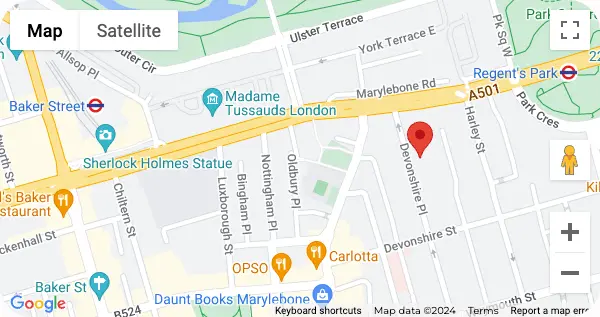
We're based in central London at the historic 14 Devonshire Pl which is only a short 2 minute walk from Regents Park tube station a 10 minute taxi journey to Kings Cross, and St Pancras stations.
We're open Monday - Friday 8am - 8pm, and Saturdays 9am - 5pm, feel free to drop in to talk to a member of our team where they can answer any of your questions.
Alternatively book an appointment, request a callback, chat via whatsapp