

Explaining The Skin Tags
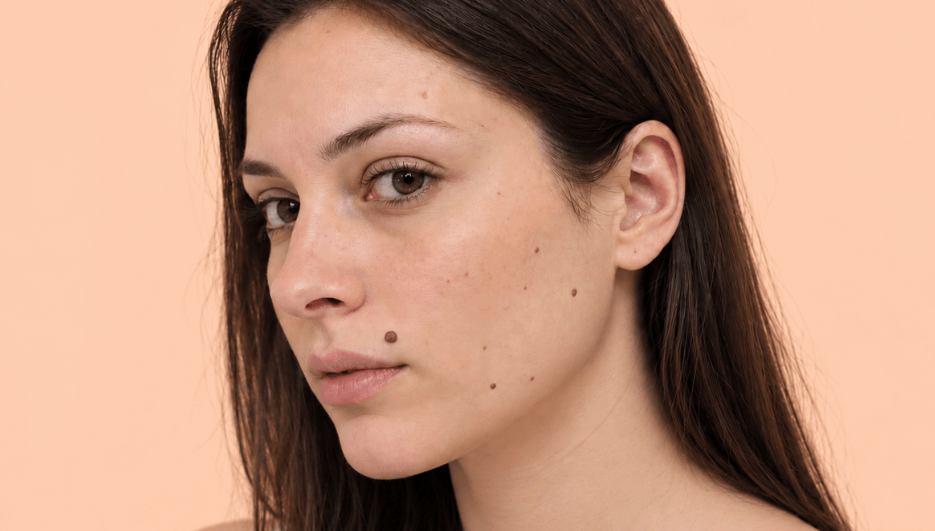
Skin tags are medically known as acrochordons. These are small, benign, non-cancerous growths of the skin which is typically hanging off the surface of the body through a thin stalk that is called a peduncle. They are generally composed of loose collagen fibres, blood vessels, and surface skin tissue. While these are completely harmless, they can be extremely common and may vary in colors like from flesh-toned into dark brown.
Skin tags would tend to develop in areas where the skin typically rubs against skin or clothing. These are the most common body areas that you may encounter:
- Neck and base of your neck
- Armpits
- Underneath your breasts or in the inframammary fold
- Groin and inner thighs
- Eyelids and around your eyes
Generally, anyone can actually develop skin tags, however, they can become increasingly common with age. Most especially in adults over 40. They would frequently appear due to mechanical friction from the body’s movement or clothing. However, there are systemic factors like hormonal fluctuations, genetic tendencies, and other underlying metabolic conditions like increase of insulin levels that can also affect their formation.
What Is Insulin Resistance?
It is a metabolic condition wherein your body’s cells, specifically in the muscles, fat, and liver have become less responsive to the hormone insulin. Since the cells do not efficiently absorb the glucose from the bloodstream, your pancreas will compensate by producing higher amounts of insulin in order to maintain the normal blood sugar levels.
There are several genetic and lifestyle factors that can actually contribute to the development of insulin resistance, here are some of those:
- Excessive body fat, especially in the visceral fat which is stored around the abdomen
- Physical inactivity and sedentary lifestyle
- Highly processed diets, High-carbohydrate, and high-sugar,
- Has a family history of type 2 diabetes as well as Genetic predisposition
- PCOS and other hormonal imbalances
During its early stages, the insulin resistance would often present no obvious visible symptoms. Over time, however, it can be persistent hyperinsulinemia which can actually lead to prediabetes, type 2 diabetes, non-alcoholic fatty liver disease, high blood pressure, and increased cardiovascular risks. These physical signs may also include persistent fatigue as well as central weight gain, and skin alterations namely acanthosis nigricans or multiple skin tags.
What Is The Connection Between Skin Tags and Insulin Resistance?
Skin tags are a sign of insulin resistance. Multiple or widespread skin tags are medically recognised as a potential cutaneous marker for any underlying insulin resistance. While a single isolated skin tag might simply stem from friction, having multiple tags most especially around the neck area and armpits, are frequently correlated with having elevated circulating insulin levels.
When having skin tags, it doesn’t necessarily mean that you have insulin resistance. The majority of the individuals generally develop skin tags purely due to genetics, pregnancy, or physical friction without any metabolic issues. However, the visibility of numerous skin tags primarily focuses on a closer look at one’s metabolic health, specifically when it is combined with other risk factors such as abdominal weight gain or having a family history of diabetes.
Having a high level of insulin in the bloodstream would usually activate specific receptors on skin cells that are called insulin-like growth factor-1 (IGF-1) receptors. When hyperinsulinemia triggers these receptors, it will stimulate the proliferation of epidermal cells as well as the connective tissue. This hyper-growth of skin tissue will directly lead to the formation of skin tags.
The Reasons Why Skin Tags Are Associated With Insulin Resistance
According to clinical studies, it consistently shows that individuals with metabolic syndrome, prediabetes, or type 2 diabetes generally have a significantly higher prevalence of skin tags compared to the general population. Moreover, the number of skin tags a person has is often linked with the severity of their hyperinsulinemia.
When having skin tags, these are frequently observed along with several interconnected conditions such as:
- Obesity and Overweight: Having a high body mass index generally increases both skin friction and metabolic strain.
- Prediabetes and Type 2 Diabetes: It can chronically elevate the insulin and accelerate blood glucose growth patterns.
- PCOS: This is a hormonal disorder in women which is heavily characterised by insulin resistance and skin tag development.
- Dyslipidemia and Hypertension: This is often co-occurring as this is part of an overall metabolic syndrome.
Effective & professional doctor-led Skin Tags and Insulin Resistance at our central London clinic
The Diagnosis and Identification
In recognising skin tags, these are usually easy to spot visually. Here are the key features that you need to keep in mind:
- Check if it has soft and flesh-coloured or hyperpigmented smooth bumps
- It has an attachment to the skin through a narrow stalk
- It is generally painless to the touch unless it’s been irritated by clothing, jewellery, or shaving
- It is generally small in size. Typically ranges from a few millimeters up to a centimeter
If your skin tags would prompt you to a visit a healthcare professional, they will usually evaluate your overall metabolic baseline through a specific diagnostic tests:
- Fasting Blood Glucose Test: This will help in measuring your sugar levels after overnight fasting.
- HbA1c Test: This will provide an average of blood sugar levels for over the past 2 to 3 months.
- Fasting Insulin Test: This will measure the circulating insulin directly. It is often used alongside glucose in order to calculate HOMA-IR.
- Lipid Profile (including ApoB & Lp(a): This will help evaluate the overall cardiovascular and atherogenic particle risk that is commonly associated with metabolic dysfunction.
What Are The Treatment and Management Options?
While addressing metabolic health generally prevents new tags, some existing skin tags can actually be removed safely by a dermatologist through the following:
- Cryotherapy: The process of freezing the tag off with liquid nitrogen.
- Electrocautery: The process of burning the tag off through a small electrical current.
- Surgical Excision: The process of snipping the tag at its base through a sterile clinical scissors or a scalpel.
- Ligation: The process of tying off the base in order to cut off blood supply until the tag naturally falls off.
Keep in mind though that self-removal at home is highly discouraged due to the high risk of infection and scarring.
When managing insulin resistance, it generally requires a comprehensive approach. Medical treatment might include medications like metformin or GLP-1 receptor agonists. These medications can help in improving tissue sensitivity to insulin and lowering circulating blood sugar levels.
There are also various sustainable daily habits form that can help in improving metabolic health:
- Nutritional Adjustments: You should focus on whole foods, high fibre, healthy fats, and lean proteins while at the same time reducing refined sugars and processed carbohydrates.
- Regular Physical Activity: Make sure to regularly engage in a mix of resistance training and aerobic exercise. This will directly help your muscle cells in absorbing glucose.
- Weight Management: Losing even 5% to 10% of body weight can significantly help in restoring insulin sensitivity.
- Quality Sleep & Stress Control: You should prioritise 7–9 hours of quality sleep in order to prevent elevated cortisol as this could affect the spikes in blood glucose and insulin levels.
Reserve a skin tag appointment
One of our experts will be more than happy to answer any questions you have.
Book Appointment

Sam K
★★★★★
Dr Omar is very knowledgeable and helpful. Best advisory to clients and good bedside manner. Great clinic.
14th September 2026

Ayo
★★★★★
What an amazing clinic, Elizabeth was very welcoming and warm when I first arrived and Rose is extremely knowledgeable and was very helpful in tailoring a treatment programme that suited my specific needs. Would highly recommend!
12th September 2026

Amie-mara M.
★★★★★
Very good advice and amazing staff!
11th September 2026