


Introduction
Skin tags are very common and usually nothing to worry about. They are harmless growths that can affect almost anyone. But having several skin tags, particularly if they appear suddenly, has been linked with insulin resistance and type 2 diabetes.
In this guide, we will explain what skin tags are, why they can be linked to blood sugar problems, and when it is worth getting them checked.
Quick Facts: Skin Tags and Diabetes
- Skin tags are harmless, non-cancerous skin growths.
- The common areas they appear are on the neck, armpits, groin and other areas where skin rubs together.
- Having multiple skin tags is linked with a higher chance of insulin resistance and type 2 diabetes.
- Skin tags alone cannot diagnose diabetes.
- See your GP if a skin tag grows quickly, bleeds, changes colour or becomes painful.
What Are Skin Tags?
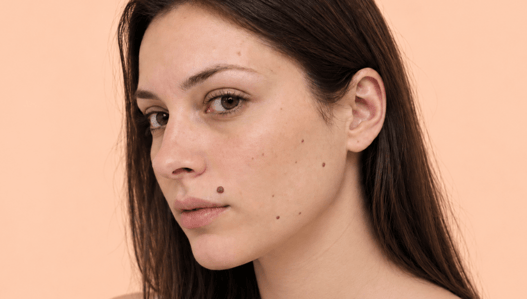
Skin tags, also called acrochordons in medical terms, are small, soft pieces of extra skin. They are usually flesh-coloured and hang from the skin by a narrow stalk.
They are made up mainly of loose collagen and small blood vessels covered by skin. They are benign, meaning they are not cancerous, and they cannot spread to other people.
You may barely notice a skin tag, but they can become irritating if they catch on clothing, jewellery or during shaving.
It is also important to know that skin tags are not caused by poor hygiene. Anyone can develop them.
Related read: How to Identify and Manage Your Skin Tag Acrochordon Effectively
Where do skin tags appear?
Skin tags usually develop in areas where there is regular friction between skin or clothing, including:
- Neck, particularly the sides and back
- Armpits
- Groin and inner thighs
- Under the breasts
- Eyelids
They are normally soft and smooth, and may be the same colour as your skin or slightly darker.
What Is the Link Between Skin Tags and Diabetes?
The link between skin tags and diabetes is mainly related to insulin resistance.
Insulin is a hormone that helps your body use sugar from the blood for energy. When your body becomes less sensitive to insulin, your pancreas makes more insulin to keep blood sugar levels under control.
Over time, having a higher insulin level may affect the way skin cells grow. This may be why people with insulin resistance are more likely to develop multiple skin tags.
But having skin tags does not mean you have diabetes. Skin tags may also develop because of common factors, like friction, genetics, age and hormonal changes.
Can skin tags mean you have diabetes?
Having one or two skin tags is usually not a reason to be concerned about diabetes. But if you are developing many new skin tags, especially around your neck or skin folds, it is best to talk to your GP.
This is especially true if you also have other risk factors for type 2 diabetes, such as:
- Being overweight or carrying excess weight around your waist.
- A family history of type 2 diabetes
- High blood pressure
- Previous gestational diabetes
- A history of prediabetes
- Being physically inactive
Your GP can request a simple blood test, such as an HbA1c test, if they think diabetes or prediabetes may be a concern.
Related read: Diseases That Cause Skin Tags | UK Medical Guide
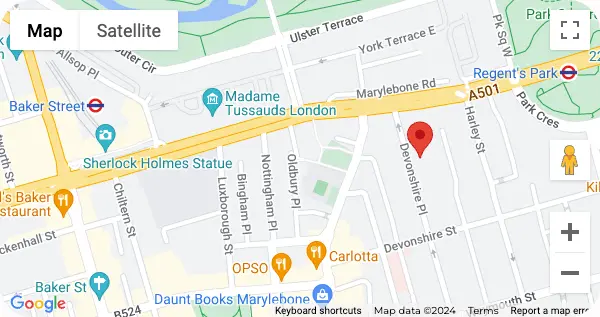
Effective & professional doctor-led Skin Tags and Diabetes at our central London clinic
Where Do Diabetes-Related Skin Tags Usually Appear?
Neck tags
The neck is one of the most common areas to develop skin tags because the skin can rub against itself or against collars and jewellery.
Multiple skin tags around the neck have also been linked with insulin resistance.
Groin and genital tags
Skin tags can also develop around the groin, inner thighs and genital area. Friction and moisture make these areas more prone to them.
Genital warts and other skin conditions can look similar but need different treatment, which is why if you notice a growth in this area, it is important to get it assessed by a qualified healthcare professional to make sure it is really a skin tag.
Other hotspots
Also keep an eye on:
- Armpits
- Under the breasts
- Inner thighs and waistline
These areas may be particularly prone to skin tags in people with insulin resistance.
Skin Tags During Pregnancy and Gestational Diabetes
Pregnancy can bring many changes to your skin, and skin tags are one of them.
Changes in hormones and weight during pregnancy can increase friction around skin folds, while changes in insulin sensitivity may also play a role.
Skin tags can therefore appear or become more noticeable during pregnancy. But skin tags do not mean you have gestational diabetes. Gestational diabetes is checked through routine antenatal screening rather than by looking for skin changes.
Who is more at risk?
Certain factors make skin tags more likely during pregnancy because of:
- Hormonal changes
- Weight gain
- Family history
- Pre-existing conditions: women with PCOS or prediabetes are at greater risk of both gestational diabetes and skin tags.
With skin tags during pregnancy, they fade and become less noticeable after delivery. But some may stick around, especially if insulin resistance continues postpartum.
Related read: What Causes Skin Tags? Identifying the Contributor & the Risk Factors
Can You Prevent Skin Tags?
There is no guaranteed way to prevent skin tags. Some people are simply more prone to developing them.
Stay active
Regular physical activity helps your body use insulin more effectively. Aim to include movement in your daily routine like walking, cycling, swimming or another activity you enjoy.
Eat a balanced diet
Try to eat more vegetables, fruit, wholegrains, lean protein and other minimally processed foods. Cut back your sugar intake and highly processed foods to support healthy blood sugar levels.
Maintain a healthy weight
If you are overweight, even a small amount of weight loss can improve insulin sensitivity and reduce your risk of developing type 2 diabetes.
Reduce skin friction
Loose and breathable clothing can help reduce rubbing, particularly around the armpits, groin and thighs. Also keep the skin folds clean and dry to reduce irritation.
When Should You Get a Skin Tag Checked?
Most skin tags are harmless and do not need medical treatment.
But do not simply assume that every new skin growth is a skin tag. Have it checked by your GP if a growth:
- Grows quickly
- Changes colour or shape
- Becomes painful
- Bleeds without being caught
- Becomes hard or develops an unusual surface
- Suddenly appears alongside many other new growths
Related read: What to Expect Before You Book A Skin Tag Removal
Removal options in the UK
Common options include:
| Treatment | How It Works |
| Cryotherapy | Freezes the tag using liquid nitrogen, causing it to fall off. |
| Cautery | Uses controlled heat to remove the skin tag. |
| Excision | The skin tag is carefully cut off using sterile scissors. |
| Ligation | A small band is tied around the base of the skin tag to cut off its blood supply, causing it to fall off. |
Avoid removing skin tags yourself using DIY methods or at-home kits. This can cause infection, bleeding, scarring or incomplete removal. It is best to consult a qualified professional first.
FAQs
- Are skin tags a sign of diabetes?
Not necessarily. It may be linked to diabetes and insulin resistance, but they are common in people with normal blood sugar too.
- Can skin tags go away on their own?
Most skin tags stay unless they are removed. But sometimes, one may fall off if its blood supply is cut off.
- When should I worry about a skin tag?
Speak to a healthcare professional if your skin tag bleeds, changes colour or texture, grows quickly or becomes painful.
- Does everyone with diabetes get skin tags?
No. Having diabetes may increase your chances of forming skin tags, but many people with diabetes do not get them.
- Can lifestyle changes reduce skin tags?
Regular exercise, a balanced diet, maintaining a healthy weight and keeping your blood sugar levels under control may help reduce insulin resistance and lower the chance of developing new skin tags.
Reserve a skin tag removal appointment
One of our experts will be more than happy to answer any questions you have.
Book Appointment

Amie-mara M.
★★★★★
Very good advice and amazing staff!
11th September 2026

Ayo
★★★★★
What an amazing clinic, Elizabeth was very welcoming and warm when I first arrived and Rose is extremely knowledgeable and was very helpful in tailoring a treatment programme that suited my specific needs. Would highly recommend!
12th September 2026

Sam K
★★★★★
Dr Omar is very knowledgeable and helpful. Best advisory to clients and good bedside manner. Great clinic.
14th September 2026