


Summary Overview
Chemical peel is one of the leading cosmetic skin treatments in society today. It is a treatment known for using a chemical solution in removing the top layers of skin that results in a smoother, brighter, and more even-toned skin. This is best for people dealing with wrinkles, acne scars, pigmentation and skin texture.
What You Will Learn
By the end of this page, you will learn the following:
- You will learn about chemical peel and how it actually works.
- You will learn about the differences between different peel types and their benefits.
- You will learn about the results, risks, and expectations after the procedure.
- You will be more confident to decide if a peel is suitable for your needs.
What You Need To Know About Chemical Peel
It is scientifically known as chemexfoliation. It is a cosmetic procedure which involves the application of a specific acidic solution to your skin. The purpose of this is to induce controlled injury. When you’ve finally had a lower pH level, the chemical agent will then break the ionic bonds which hold the dead and damaged cells together. This is a treatment that extends beyond the surface as it triggers a wound-healing, as the damaged layers are being shed, your body is significantly stimulated in accelerating cell turnover and increasing the production of collagen and elastin. This action ensures that your skin doesn’t only peel, but it actually regenerates from within.
The main role of a chemical peel is to systematically remove the dull and dead skin cells of the epidermis. In some cases, some portions of the dermis tend to reveal a fresh and unaffected tissue beneath. By getting rid of those cells that have been damaged by different skin risks, Chemical peel significantly resets your skin’s surface. This will lead you into a reduced appearance of fine lines, hyperpigmentation, and scarring. Aside from smoothing your skin texture, its deep exfoliation also clears out any follicular debris and it also recalibrates your skin’s ability to absorb topical nutrients. This results in a brighter and firmer complexion as well as having an even skin tone.
Why People Choose Chemical Peel
Aside from its easy and quick treatment, people typically choose chemical peels in order to address specific skin concerns which using topical creams alone cannot actually resolve. Through a Chemical Peel, it can actually provide a reset for the skin and here are some of the reasons why people choose it:
- People choose it for anti-ageing and wrinkle reduction. This is one of the most common reasons why people choose it. Because chemical peels help in increasing the production of collagen and elastin, which are the primary responsible for your skin’s firmness.
- People choose it for acne management and prevention: For people dealing with active breakouts, certain peels which contain salicylic acid can help in penetrating deep into your pores in order to dissolve excess sebum and debris.
- People choose this in order to correct uneven tone and hyperpigmentation: This is also very common when people choose Chemical Peel. This is highly effective in treating skin with sun spots, age spots, melasma, wrinkles, and freckles.
The Different Types of Chemical Peel
There are different types of Chemical Peels to choose from according to your skin’s condition and needs. Here are the following:
Glycolic Acid Peels
This is the most popularly used in clinical peels because of its small molecular size that allows it to penetrate deeper into the skin than other AHAs. These peels are mainly used as brightening treatments which are responsible for refreshing a dull complexion, fade minor sun spots, and smoothing out rough skin texture.
Salicylic Acid Peels
Compared with AHAs, Salicylic acid is a Beta Hydroxy Acid (BHA). It is an oil-soluble which can actually bypass surface oils in order to get deep inside your pores. For people with oily, congested, or acne-prone skin, this is your best choice. Because it dissolves the plugs of sebum and dead skin which often leads to the appearance of blackheads and breakouts.
TCA Peels
These are a more intensive and professional-grade option which are designed to reach the medium depths of your skin. It is highly effective in treating more stubborn concerns. If you are dealing with deep-set hyperpigmentation, melasma, and moderate acne scarring that surface-level peels cannot reach, this is the best option that you should try. This involves a frosting effect during the application and it also requires a more significant recovery period, because it can trigger a more dramatic shedding of your skin afterwards.
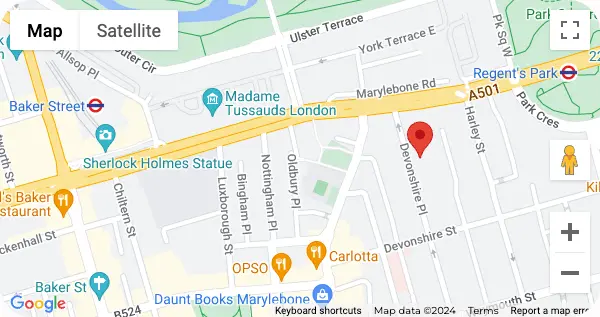
Effective & professional doctor-led Chemical Peel at our central London clinic
The Process of Chemical Peel
A chemical peel is a precise and multi-step treatment which typically lasts between 30 and 45 minutes. The process are as follows:
Step 1: Your skin will undergo a preparation & cleansing. This includes removing everything in your face like makeup, dirt, and surface oils. A pre-peel solution will then be applied to ensure that the acid can effectively penetrate your skin evenly.
Step 2: In order to prevent the acid from affecting some delicate areas, petroleum jelly is also applied to the corners of the nose, the edges of the mouth, and the eye area.
Step 3: During the application, it uses a brush, cotton tip, or gauze then your clinician will apply the chemical solution to the skin. You might feel a tingling, warming, or “spicy” sensation during the application. If you are doing the medium peels, you might feel a stronger stinging or burning sensation for quite several minutes.
Step 4: After the application, your clinician will watch out for frosting or redness. It is a white appearance which indicates the protein coagulation. Once it has reached the desired depth, it will be then neutralised with a specific solution or washed off through cool water in order to stop the chemical reaction.
Step 5: In order to calm the immediate inflammation, a cold compress is commonly used. It can be followed by applying a thick, restorative moisturizer, and a broad-spectrum SPF which is significant in protecting the newly refreshed skin.
Setting Your Expectations
Just like any other skin treatments, this is not a quick and immediate result after having it. Initially after the procedure, you will notice that your skin will likely look flushed, or might look like you had sun burn, and might feel noticeably tight. During the 24 to 48 hours, some areas of the treated part may darken slightly as your damaged skin is beginning to dry out and prepare for its shedding. The full effect of the treatment will take a while before you actually see visible results.
While recovery would typically depend on the depth of your treatment, this is how your recovery timeline works:
- Days 1–2: You will notice redness, tightness, and mild swelling. These are very common and no need to worry
- Days 3–5: This is the time when you are at the peak of visible shedding. It usually starts around the mouth and nose. Avoid picking or pulling the skin to avoid permanent scarring.
- Days 7–10: You will slowly notice renewed skin at this time.
- Weeks 2–4: Redness fades completely and you can fully see a renewed and refreshed skin of yours.
What Are The Risks and Side Effects
While Chemical peels are generally safe procedures, there might be factors that can be risky for you because people have different skin types and needs. According to the majority of the patients, they have experienced erythema which might look mild to moderate sunburn, and significant skin tightness as the outer layer part of the skin dries out. This is commonly followed by flaking of the skin. These side effects are generally expected, but there are more concerning yet manageable side effects which is temporary hyperpigmentation or the reactivation of cold sores.
While Chemical Peel is a very common treatment, there are certain situation where you should not do it especially if you fall under the following:
- If you have used Isotretinoin in the last 6 to 12 months, as it severely thins the layer of your skin and it also increases the risk of scarring.
- If you are pregnant or breastfeeding. Certain acids such as Salicylic acid can actually be absorbed into the bloodstream.
- If you have active skin infections like open acne sores, eczema flares, or psoriasis in the chosen treated area.
- If you have a history of keloid scarring or if you have highly sensitive skin conditions like Rosacea.
- If you have a darker skin tone. You must see a specialist first in order to avoid permanent hypopigmentation or scarring brought by Chemical Peel.
How Much Does It Cost In The UK
It actually varies and most of the time, it is based on the depth of the treatment and the clinical setting. Since this is a cosmetic procedure, these are not covered by the NHS and must be availed in private clinics.
Average Price Range by Type:
- Light / Superficial Peels: It will most likely cost you between £60 and £120 per session. Take note that these are often sold in courses of 4 to 6 treatments.
- Medium-Depth Peels: Since these are more intensive, it typically costs between £300 and £600.
- Deep Peels: These usually depend on the surgeon and the clinical facility but initially, the cost of it starts at £600 but can reach £1,500 to £3,000. It is best to consult the clinic before choosing this.
Most Frequently Asked Questions
- Can I have the treatment at home?
While mild exfoliating peel pads are commonly available for home use, a professional chemical solution should still be applied by an experienced clinician in order to avoid severe chemical burns and possible permanent scarring.
- How many sessions do I need?
In order to see optimal results with light to medium peels, most clinicians would recommend a series of 3 to 6 sessions that are spaced within 4 to 6 weeks apart.
- Will it be painful?
The majority of the patients have reported that they usually experienced a mild stingy sensation for about 3 to 10 minutes but generally it is manageable and fades eventually.
- Can I wear make up after the procedure?
No, you should not apply any makeup for at least 24 to 48 hours. This allows your skin barrier to begin healing without any irritation or risk of infection after the procedure.
Reserve a chemical peel appointment
One of our experts will be more than happy to answer any questions you have.
Book Appointment

Abigail Darwish
★★★★★
The clinic was very lovely and the staff very helpful during my consultation for my skin. I will be coming again. Thank you!
28th February 2026

Amanda Choi
★★★★★
Great service! Amazing doctor here! Thank you so much
27th February 2026

Adam Tigrine
★★★★★
5/5, great service! Rose and Mariana were very helpful!
27th February 2026