

Summary
- There are 5 main types of moles and most moles are harmless.
- Things that you need to look for moles are about its size, shape, colour, or symptoms like bleeding or itch.
- Mole removal is only advice if there is a medical risk or cosmetic concern.
- Using the ABCDE rule and regular self‑checks monthly.
- Always make sure to consult with a GP in the UK if you’re unsure with your mole; the NHS handles medically‑necessary mole removal.
What You Will Learn
- You will learn to identify the different types of moles and know what each looks like.
- You will learn to understand what features make a mole more likely to need medical attention.
- You will learn about the UK standards and NHS guidelines for when mole removal is appropriate and needed.
- You will learn about the methods for removal and the aftercare process that involves.
- You will learn how to implement regular skin checks using the ABCDE method and know when is the best time to consult a GP or dermatologist.
Introduction
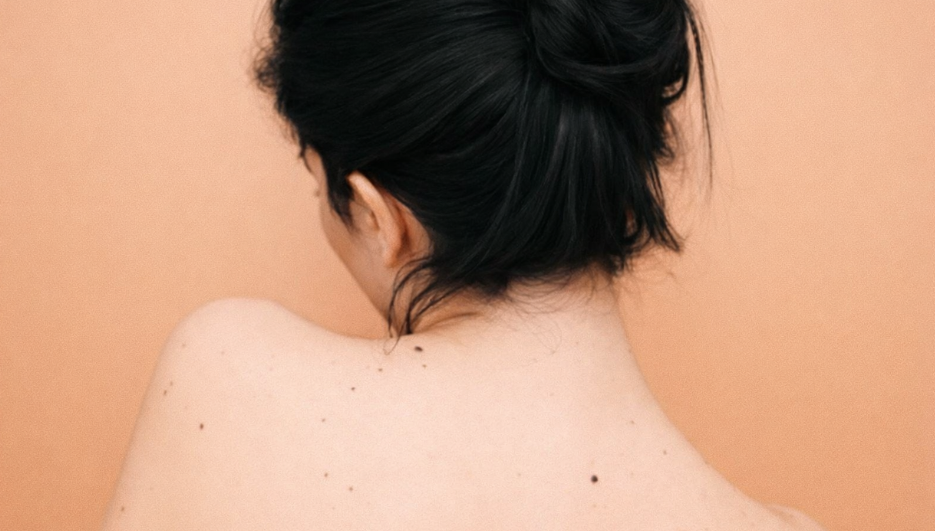
A mole is medically known as a naevus or nevus. It is a small common growth on the skin that usually occurs when pigment-producing cells grow in a cluster instead of being spread out. It usually comes in many different shapes and sizes. There are some which are flat and brown while some are raised, circular or skin like coloured. According to research, most people have between 10 to 40 moles in their body. It can typically appear anywhere from the scalp to between toes. They are naturally part of how skin develops over time. While most moles are typically benign or non-cancerous, they are essentially a concentrated patch of your skin’s colouring system. Some are born with moles called congenital naevi, but some usually have mole appearance during childhood and adolescence as the body grows. As your body ages, the mole grows too and it is completely normal. Some might get darker, grow hair, or even fade completely. The formation of a mole begins with cells called melanocytes. This is the cell responsible for producing melanin that gives your skin, hair, and eyes its color. Typically, it is spread evenly all over your skin to protect you from the sun. But oftentimes, these cells clump together in one spot. When these groups of cells grow together in a tight spot, it would create a visible spot which is then called a mole.
The reason for these clumps is typically because of the mix of your DNA and your environment. If your parents have a lot of moles, then there is a high chance that you will have it too. Genetics play a huge role in how many melanocytes you might have. Not only that, your environment matters too. Especially if you are mostly exposed to UV rays from the sun or tanning beds. This could trigger these cells to spread out more quickly.
Why Knowing Your Moles Matters
It is important to know your moles because it allows you to spot the difference between what’s normal and what might be a potential high risk. Most moles typically stay the same for decades but if a mole starts to change its shape, size, or color, it could be an early warning sign of having skin cancer. It is why by knowing exactly where your moles are could really help in preventing any disease that might occur.
There is a huge difference between a mole with cosmetic concerns and health risks. If it is a cosmetic concern, the mole is usually perfectly healthy and you only dislike how it looks and the appearance of it in your skin. However, with a mole that has a health risk, the mole has become atypical. By identifying your moles, you can have a bigger overview of your condition and could help you prevent any serious health disease that it may cause.
According to research, skin cancer is one of the most common types of cancer in the UK, with melanoma being the most serious type. In the UK’s recent health statistics, there are over 16,000 new cases of melanoma recorded each year. The good news though is that the UK also has world-class screening and treatment for melanoma. When this is detected early, the survival rate is extremely high. That is why it is important to get to know about it, and have an assessment.
The 5 Main Types of Moles
Common Moles (Benign Melanocytic Naevi)
These are standard spots that appear on your skin after birth. This usually appears during childhood or early stage of adulthood. Typically, it’s less than 5mm wide, round or oval shaped and has a single color. Common moles are typically harmless, but always check if there is a sudden change of its look in adulthood. If you’ve seen any changes with it, it is best to consult with a dermatologist to be completely informed about it.
Atypical Moles (Dysplastic Naevi)
Atypical moles often have irregular or blurry borders that fade into your skin. It has multiple shades of red, pink, brown within the same mole. When it comes to size, these are often within 6mm and may look slightly scaly which makes it quite difficult to identify from serious skin conditions. It doesn’t necessarily mean that you have cancer if you have atypical moles. It only means that there is a higher risk of developing melanoma in the future. It is best to have monthly skin checks and mole mapping with a dermatologist to identify and detect earlier your atypical moles.
Congenital Moles
This mole is one that you are born with or that develops shortly after birth. These are usually between 1.5cm up to 20cm. While small congenital moles are typically common and low-risk, larger ones would require a closer medical supervision because larger moles contain a higher number of pigment cells. Typical risk implications depend on the large size of the congenital mole and its location. If you have a giant congenital naevi, it has a higher risk of developing melanoma and will constantly require skin check ups to prevent any serious condition.
Raised Moles
These are the moles that sit above the surface of your skin. It often feels like having a soft bump in your skin. In texture, these typically start as flat common moles then would gradually push upward as the pigment cells move deeper into the skin layers. Its color is usually light brown, flesh colored, or even slightly blue. It is commonly visible on the face and neck which most people want to remove for comfort reasons.
Facial Moles
Moles on the face are commonly noticed and are constantly exposed to the sun. The skin in your face is usually thinner and sensitive that is why moles here can react more quickly to UV damage or environmental stress. Most people have it around their nose or chin. Because it is mostly visible in the face, people would often opt to remove it for beauty purposes. If a facial mole is considered as atypical, it needs to be surgically removed but if it is a harmless raised mole, and you only want to remove it for aesthetic purposes, clinics would often use shave excision or laser to minimise scarring.
Effective & professional doctor-led Moles at our central London clinic
Everything You Need To Know About Mole Removal
When Removal Is Recommended for Medical and Cosmetic)
In the UK, medical and cosmetic removal of moles are primarily defined by NHS eligibility. According to the NHS guidance, mole removal can only be funded if there is a clinical concern of melanoma or if it is showing any significant physical symptoms like constant bleeding, and repeated infections. When your GP uses the ABCDE criteria and eventually finds the mole changing and has irregular changes, you will then be referred for a medical removal.
On the other hand, cosmetic removal refers to the removal of harmless moles. The sole purpose of doing it is because the patient might not like its size and position, or the way it appears on their face. The NHS does not have any beauty procedures for this removal, patients who opt to remove harmless moles can go directly to private clinics. It is essential to have a thorough consultation first before proceeding to the treatment.
What Are The Removal Methods Available in the UK
There are several methods available in the UK that are suited to different types of moles. Surgical excision is typically the treatment for suspicious moles. This works by cutting out the mole and a small margin of the skin then closes the wound with stitches. Then, shave excision is a popular cosmetic removal for raised moles where the doctor shaves the bump without needing any stitches. This leads to a faster recovery leaving a minimal to no noticeable scar.
Other methods also include laser removal. This works by using light energy to break down pigment. It is ideal to choose for small, flat, and benign moles in your face. While NHS mole removal is free for medical cases, mole removal in private clinics in the UK typically ranges from £250 to £950, depending on the complexity of your mole, clinic location, and expertise of the team.
What To Do After The Removal
To ensure there is no infection, proper aftercare is very important after the procedure. During the first 24 to 48 hours, you must keep the area completely dry and leave its original dressing in place. You can gently wash the area with mild soap and water once the wound has started to seal. Keep it moisturised too by applying a thin layer of silicone gel or petroleum jelly. This would help your skin heal faster and flatter rather than letting a hard scab form.
Monitoring & Skin Checks
The best way to ensure that your mole is harmless is to perform a monthly skin check. It would be best to do it using a mirror with a well-lit room especially when there are areas that are hard-to-reach areas like your back. UK health organisations like Melanoma UK recommend using the ABCDE rule as a guide on how to self-monitor it. First is look for Asymmetry, it is where one half doesn’t match the other, second, irregular Borders, this means that the edges are blurred, third, multiple Colours within one mole, fourth, a Diameter larger than 6mm, and lastly, Evolution, monitor if there are any changes in size, shape, or height.
It is recommended to book an appointment with your GP if you notice irregular changes with your moles. Some symptoms that you need to be aware of when it starts to itch, crust, or bleed without being caught on clothing. While some changes might not be cancerous, it is still best to consult with your GP if you notice multiple changes to prevent any infection that may occur.
Conclusion
It is important to know your moles because it allows you to spot the difference between what’s normal and what might be a potential high risk. Most moles typically stay the same for decades but if a mole starts to change its shape, size, or color, it could be an early warning sign of having skin cancer. It is why by knowing exactly where your moles are could really help in preventing any disease that might occur.
The NHS does not have any beauty procedures for this removal, patients who opt to remove harmless moles can go directly to private clinics. It is essential to have a thorough consultation first before proceeding to the treatment. While most moles are typically benign or non-cancerous, they are essentially a concentrated patch of your skin’s coloring system. Some are born with moles called congenital naevi, but some usually have mole appearance during childhood and adolescence as the body grows.
Most frequently asked questions
- What makes a mole ‘atypical’ and why are they concerned?
Atypical moles often have irregular or blurry borders that fade into your skin. It has multiple shades of red, pink, brown within the same mole. When it comes to size, these are often within 6mm and may look slightly scaly which makes it quite difficult to identify from serious skin conditions.
- Can newborns have moles, and what risks are associated with congenital moles?
Yes. Newborns can be born with congenital moles. It typically has a low risk of cancer unless they are giant with a size of over 20cm.
- Does removing a benign mole eliminate all risk of skin cancer?
It doesn’t completely eliminate the risk of skin cancer as most melanomas typically develop from new growths in previously normal skin.
- How to tell if a mole is changing: what signs to look for in the UK context?
You can monitor it by using the ABCDE.
- Are there safe DIY mole removal methods?
It is highly recommended and actually safe to consult with professionals when it comes to mole removal and not do it on your own.
Reserve a moles appointment
One of our experts will be more than happy to answer any questions you have.
Book Appointment

Joshua Presley
★★★★★
Great experience. Quick and effective.
17th March 2026

Venscaya Vafelka
★★★★★
I had an amazing mole removal procedure with Dr. Glancey. She answered all my questions, was very polite and professional and helped me with my long time dream of removing face moles!
15th March 2025

Rebecca Norfolk
★★★★★
Dr omar was perfect! He was very clear and informative, and the procedure was quick and pain free
17th March 2026