

Summary Overview
- HydraFacial: It is a facial treatment that is gentle, gives instant glow, minimal to no downtime, and ideal for people with sensitive or dehydrated skin.
- Chemical Peel: It is a facial treatment that focuses on deeper exfoliation, gives longer-lasting results for pigmentation & scars, and little to no downtime.
- Combining both treatments: This is possible by alternating sessions. It goes by hydrating with HydraFacial while deeper treatment with Chemical Peel. Make sure that your treatments are carefully administered by a reputable and equipped clinic.
What Will You Learn
By reading this article, you’ll be able to learn the following:
- You will learn about HydraFacials and Chemical Peels and how they differ from one another.
- You will learn to identify which treatment works best with your skin type, concerns, and tolerance for downtime.
- You will learn how to make informed decisions about treatment frequency, sequencing, and combination.
- You will learn to recognize key benefits, recovery expectations, and when to consult a professional.
What You Need To Know About Skin Treatments
There is a significant growth of non-invasive aesthetic treatments in the United States as of today. People are more likely to give time for their aesthetic features and want to improve themselves overall. The concept of having little to no downtime is one of the main reasons why it is continuously growing. Most especially for people who have busy schedules and just want a quick and easy treatment. Also, these treatments don’t just correct aging problems or other skin problems, it also prevents it from getting severe and keeps their skin youthful.
There are a lot of treatments that are gaining popularity nowadays such as Chemical Peels, Microdermabrasion, Dermaplanning, Laser Resurfacing, and other injectables as well.
But before undergoing any of this, you should consult with your aesthetician first to assess your skin’s current condition and prevent any reaction that may come.
What is a HydraFacial?
The HydraFacial is a non-invasive facial treatment with direct to point steps treatment which works by giving immediate results with no irritation or downtime. It uses a patented device called the Vortex-Fusion System. The treatment usually takes 30 to 45 minutes and involves 3 main stages. This is best for people with busy schedules and looking for a skin treatment that could provide them 3 benefits in 1 treatment alone.
The first step would be cleanse & peel. In this step, it gently clears the top layer of dead skin cells and improves the pores. Second would be, extract and hydrate. Think of it as painless deep-pore cleaning. It removes blackheads and any impurities while moisturisingyour skin. And lastly, fuse & protect. After removing dead skin cells and other impurities, it’s time to give back nourishment and protection to your skin. You’ll instantly see visible glow and hydration after the procedure.
Which Skin Type Is Suitable for HydraFacial?
While Hydrafacial works with almost all skin types and tones, it is still important to know the type of your skin and what specific skin problems you want to target before trying Hydrafacial. If any of these skin types matches your skin, then Hydrafacial might be worth considering for you:
- If you have dehydrated skin, it works best for you. Hydrafacial infuses massive amounts of moisturisingingredients most especially Hyaluronic Acid that your skin highly needs.
- If you have dull skin, Hydrafacial will make your skin fresher and brighter as it exfoliates dead skin cells in your face.
- If you have acne-prone & congested skin, it will help you reduce current breakouts and will also prevent future congestion by exfoliating dead skin cells and pulling blackheads in your skin.
- If you have sensitive skin, this is best for you because it does not use any harsh ingredients and only uses ingredients that are gentle to your skin.
Effective & professional doctor-led HydraFacial & Chemical Peelat our central London clinic
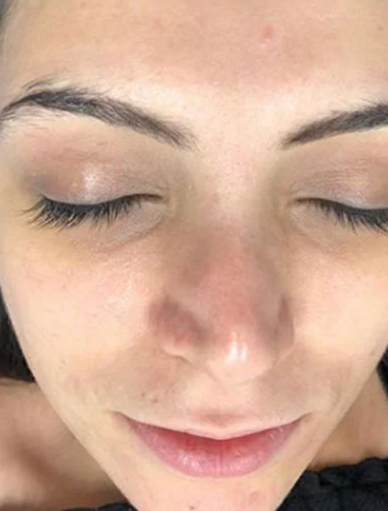
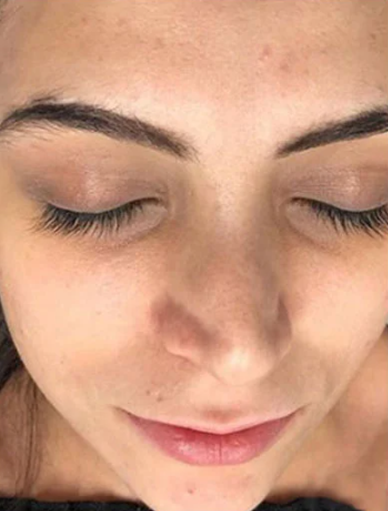
Verified Before & After
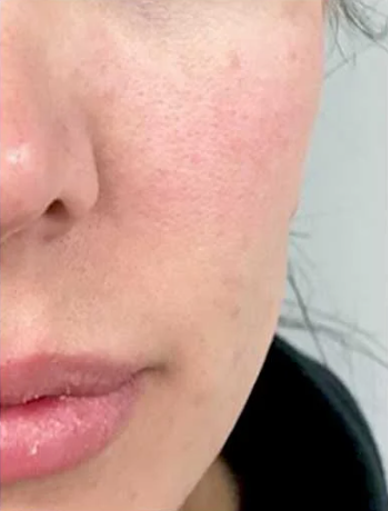
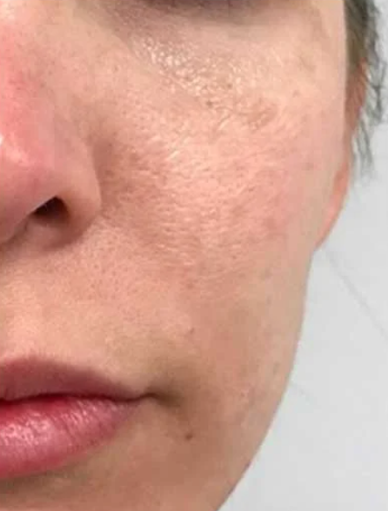
Verified Before & After
What You Need To Know About Chemical Peel
- What is a Chemical Peel?
A Chemical Peel is one of the leading aesthetic treatment resurfacing that uses a chemical solution to remove damaged outer layers of skin. It works by controlled injury forces the skin to regenerate, which results in a newer, smoother, and healthier skinIts peel solution is composed of Glycolic Acid & Salicylic Acid. When the solution is applied, these acids chemically dissolve that holds the dead, damaged skin cells to the healthy skin underneath. With this process, it causes your skin to intentionally peel over the next few days after the treatment. This procedure is simpler than the Hydrafacial but the post-procedure is where you’d see visible results.
At first, your skin is thoroughly cleansed and wiped down with a prep solution to remove all surface oils and any other product in your face. The next step would be applying the chemical solution often through a brush or cotton swab. After a few minutes, the peel is either rinsed off with water or they will apply a special neutralising solution to stop the acid’s action. During the post-care, a calming ointment should be applied to your skin and make sure to follow any necessary post-care from your clinician.
What Are The Benefits of Chemical Peels
- Improve your fine lines and wrinkles. It works by removing the top layers of damaged skin leading to the growth of new collagen and smooth surface lines.
- It reduces pigmentation. It is highly effective at fading sun spots, freckles, and melasma.
- It helps diminish acne scars. It helps in flattening and smoothing out the texture of acne scars and reduces the redness left behind by old breakouts.
- It helps in treating acne. It works by using specific acids like Salicylic Acid (BHA), that helps in unclogging pores, which is essential for managing persistent breakouts.
- It gives you deeper and longer-lasting results. Unlike any other facial that provides an immediate glow for a few days, a peel provides a controlled level of injury that results in renewal of skin and rejuvenation over the next weeks and months after your treatment.
Which Skin Type Is Suitable for HydraFacial?
Chemical peels are best for people who:
- Can handle downtime. Since it has peeling as the intended result, you must be prepared in the coming weeks after your treatment that your skin will peel, will look red and patchy.
- Have Non-Sensitive Skin: If your skin gets easily irritated, this might not be for you. You can opt to try Hydrafacial instead so it is gentler to your skin.
- Have Fair to Olive Skin tone: People with deeper skin tone should be extra cautious with medium or deep peels as the heat and inflammation could possibly lead to temporary hyperpigmentation.
The Key Differences of HydraFacial & Chemical Peel
While both treatments’ goal is to refresh your skin, they can achieve it in two completely different ways with different results and experiences.
They differ with how it’s done. Hydrafacial uses a specialised machine and a specialised, swirling tip (vortex) to physically cleanse pores and simultaneously provide beneficial serums deep into the skin while Chemical Peel uses liquid acid solution manually applied to the skin. The acid then melts holding dead skin cells, forcing them to peel off.
For Hydrafacial it feels gentle, hydrated, and massage feeling to the skin while for Chemical Peel, others might experience intense and uncomfortable, lasting only for the duration the acid is on the skin.
Hydrafacial uses hydrating serums and gentle acids while Chemical Peels use aggressive acids for targeting deeper and corrective action. When it comes to downtime, Hydrafacial has no downtime while Chemical Peel has because of the peeling afterwards.
When and How to Combine Both Treatments
If you are planning to get these two treatments on the same day, you might want to consult your clinician first because typically it’s not feasible. Instead, these could be sequences strategically so your skin will also be prepared and have enough time to recover. Ideally, you can have Hydrafacial at least 1 to 2 weeks before your Chemical peel. This is to allow the HydraFacial’s extraction and gentle exfoliation to remove the thickest layer of dead skin and deeply clears the pores.
Then afterwards, you can now have your Chemical Peel after your skin has recovered from the previous treatment. By removing the surface debris first through Hydrafacial, the chemical solution can penetrate the skin more evenly.
Conclusion: So Which One Is Best For You?
- You might want to choose HydraFacial if you are looking for a treatment that focuses on hydration and nourishing your skin without any down time.
- You might want to choose Chemical Peel if you have specific skin damage you want to correct and can handle down time with a few days of peeling and recovery.
Whether you choose Hydrafacial or Chemical Peel, it would still be best to consult with your clinician first to fully understand which one is best for your skin.
Most Frequently Asked Questions
- Which treatment is better for sensitive skin?
If you have sensitive skin, Hydrafacial is recommended since it uses gentle ingredients and hydrating serums.
- How often should I get a HydraFacial or Chemical Peel?
You could have HydraFacial every 4–6 weeks while with Chemical Peel it depends on depth but more often every 4–6 weeks)
- Can both treatments be combined for enhanced results?
Yes but you cannot have 2 treatments within the same day. You should have an interval so that your skin will have enough time to recover.
Reserve a hydrafacial appointment
One of our experts will be more than happy to answer any questions you have.
Book Appointment

Huizi Wang
★★★★★
I had my treatment with Rose, and she was lovely. The whole experience was amazing, and my skin was glowing afterwards!
20th March 2026

Enya
★★★★★
Very happy with my initial consultation with dr tee who was then able to treat me straight after
18th March 2026

A Wilson
★★★★★
Quick turnaround for an appointment with very knowledgeable people. Transparent about options and costs, no strong pressure to buy
19th March 2026