

Introduction
Most people want their skin to be healthy and radiant. Well, who doesn’t want that, of course? But the thing is, sometimes it is really hard to achieve good-looking skin because of several factors that can affect it. Some of them like the process of ageing that gives your face some fine lines and wrinkles. When you are exposed to sun and pollution, it can damage your skin. Also, when you have acne, it can leave some marks behind. But don’t worry, we have a solution to every problem. There is this one treatment that can make your skin refreshed and revitalised. It’s called chemical peels for the face, which is actually continuing to grow in popularity across the UK.
You may find the word “chemical peel” intense, but you’ll be surprised that it has a very gentle formulation to a more intensive one to make it suitable for different types of skins and their concerns. It can help improve the texture of your skin, even out your skin tone, and restore your natural glow. Just make sure you get the treatment from a trained professional.
This guide will help you know how chemical peels can help you. How it works and what type of peel is best for your skin needs.
What Are Chemical Peels?
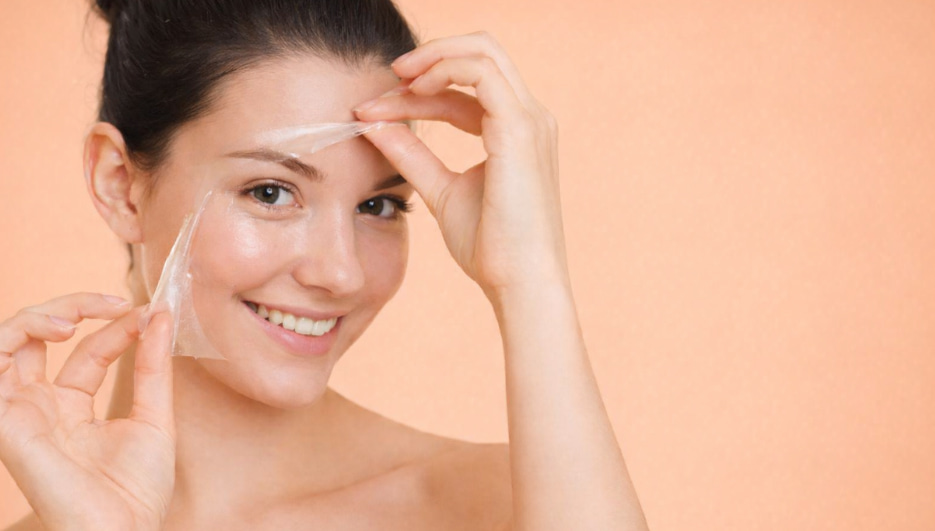
Wondering what a chemical peel is? It is a kind of treatment where your skin is treated using a special solution wherein its outermost layer is being removed. After your skin heals, it will reveal your fresh, smoother layers. What your skin can achieve will depend on the type of peels you’re going to choose. For example, if you choose a light or medium peel, you need to get multiple sessions to achieve the outcomes you want.
Many people love chemical peels because they give clarity to their skin. It helps them reduce their wrinkles, even out their skin tone, and improve some types of scarring they have on their face. Most patients get the treatment alone, while some combine it with other cosmetic treatments to help them get significant results. Peels have different strengths; they can be lighter or deeper. Your changes can be noticeable if you get deeper peels, but your recovery period may take longer.
How Do They Work?
So how can you appreciate the benefits of a chemical peel on your face? Well, you should understand what’s really happening on your face.
Your skin helps you stay beautiful by naturally renewing itself, like shedding your old cells and replacing them with new ones. But this process can slow down eventually as you age or when you have too much exposure to the sun or pollution. Because of this, you will notice your skin looks dull, uneven, and congested because all of your dead skin cells start to build up.
If you want to reset this process, consider getting a chemical peel because it can speed up your skin’s exfoliation. It works by:
- Dissolving the outer layer of your dead skin cells in a gentle manner.
- Boosting the rate of your cell turnover.
- Supporting more production of collagen.
- Allowing your skincare products to absorb more effectively.
Who Can Benefit?
Many people think that chemical peels are only for those people with older or mature skin, but that’s not true. Chemical peels can help different age groups with a variety of skin concerns.
The treatment can be used if you have:
- Uneven skin tone
- Dull or tired-looking skin
- Fine lines and early signs of ageing
- Mild scarring
- Sun damage and pigmentation
That said, chemical peels don’t work the same way for you and for everyone. It still depends on your skin type, your sensitivity, your medical background, and the things that you want to achieve. This is why you need a proper consultation with your trusted practitioner who is qualified to do a skin check to help ensure that the treatment is both safe and suitable for your skin.
Effective & professional doctor-led Chemical Peels at our central London clinic
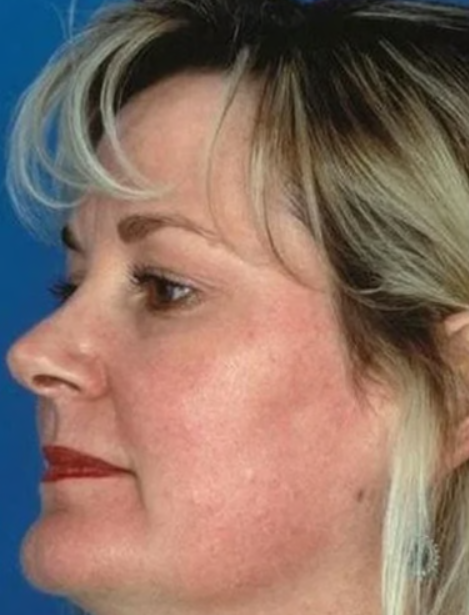
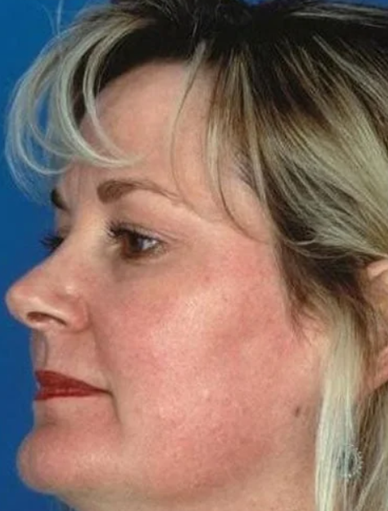
Verified Before & After

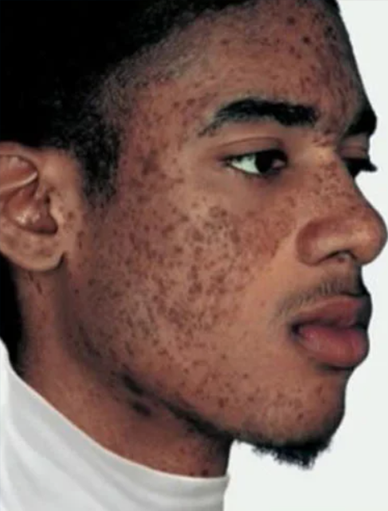
Verified Before & After
Brief History of Chemical Peeling
The exfoliation process using chemicals has been practised around for centuries. In ancient times, they had been using natural acids that came from sour milk, like lactic acid, and tartaric acid that came from wine to refresh their skin. Can you believe that?
By the 19th and 20th centuries, these early techniques had been improved by the scientists and dermatologists. They made it a point to develop the treatments medically to be safer and more precise to every individual’s need.
Chemical peels nowadays are made by decades of research and innovations. The modern formulas we are using now are designed to be safer and more reliable and can be suited to different skin types and concerns. It really helps a lot of people to achieve the smoother and healthier-looking skin that they are dreaming of.
Types of Chemical Peels
If you are planning to get a chemical peel, your doctor will need to assess your skin first because they need to know what is the recommended type for your needs. It’s because the peeling agent that should be applied to you depends on how deep you need the peel:
Light Superficial Peels
The light peels only target the outermost layer of your skin (the epidermis). These are the gentle type of chemical peel. If you will get the treatment for the first time, your doctor may recommend it as you need to start slowly.
What you can expect:
- Gentle exfoliation of your skin.
- Tingling sensation that is mild and manageable.
- Little to no downtime
- It can also be a good option to those who are in their maintenance treatments.
The ingredients they commonly use with light peels are AHAs (alpha hydroxy acids, together with glycolic and lactic acid. The most popular one and loved by many people is the lactic acid because it helps exfoliate their skin softly while hydrating and refreshing them.
Medium Peels
Medium peels can go deeper on your skin. It can be able to reach the upper layer of your dermis. So if you are looking for more noticeable concerns, you need to get this type of treatment.
What you ca expect:
- You’ll have more visible peeling.
- Your recovery period is short.
- Greater improvement in your texture and tone
If you are dealing with some issues of moderate pigmentation and acne scars, as well as fine lines and wrinkles, medium peels are what you really need.
Deep Peels
Because deep chemical peels penetrate your skin on a much deeper level than the other peels, the treatment should be done by a professional doctor in a medical environment.
What you can expect:
- Your skin will be resurfaced more intensively.
- You’ll have a longer recovery period.
- You can get more noticeable, dramatic results.
The peels they are going to use on your face are stronger; that is why you need to undergo a thorough assessment, and you need to prepare properly before the day of your treatment. Also, you need to carefully follow your doctor’s instructions when it comes to the aftercare to ensure that you can be safe and you’ll get the best possible outcomes.
Chemical Peeling Benefits for Face
Because chemical peels are so versatile, they remain very popular around the world. When you have selected the right type for you and your doctor has done the process correctly, it can give multiple improvements to your skin at once.
Improve Skin Texture & Tone
The most common problems of most people with their skin are the look of dullness and uneven texture. Well, who would like that kind of skin? Of course we don’t like it. When you get chemical peels, all of the dead skin cells that have been accumulated in your face can be removed. After that, you will see your face become smoother and brighter.
Other benefits many people notice:
- Softer skin
- More even tone
- More even tone
- Improved clarity
- Enhanced glow
Reduced Signs of Ageing (Lines & Wrinkles)
Our lines and wrinkles become more pronounced as we age. It’s because of the slowing down of our skin cell turnover and dropping of our collagen production. Our skin may also look rough in texture and its firmness is getting lost.
What chemical peels can do:
- It can boost the growth of your new skin cells.
- Stimulates the production of collagen.
- Softens the appearance of your fine lines.
If you include chemical peels in your skincare routine, it can help you combat the ageing of your skin effectively even though they don’t replace surgical treatments.
Treatment of Acne & Scarring
Many people who are experiencing acne breakouts choose to undergo chemical treatments because it helps them manage their conditions. Some of the acids used in peels have the power to unclog your pores, regulate the production of your oil glands, and reduce any inflammation you have on your face.
The benefits you can get are:
- Fewer breakouts
- Reduced congestion
- Improved your post-acne marks
- Smoother your skin over time
You can get some other treatments for best results.
Specific Benefits of Lactic Acid
Lactic acid peels stand out among all of the gentler options. It came from milk, and it’s known for being:
- Gentle but effective
- Hydrating for your skin
- Suitable even if you have sensitive or dry skin.
This acid is good for you if you are seeking a brighter complexion that doesn’t peel too much because it can exfoliate your skin while giving it the moisturisation it needs.
Preparing for a Chemical Peel
For your safety and best results, you need your skin to be prepared properly before your peel treatment. Because if it’s well ready, your skin barrier will respond better, and it will recover easily.
Consultation Process
What you need to do before undergoing a chemical peel for your face is a thorough consultation from your trusted doctor. Because these steps will allow them to:
- Evaluate your skin issues
- Review your medical history
- Identify if you have any allergies.
- Recommend what type of peel is appropriate for you.
It’s also the time where you can ask some questions and tell them what you really expect to happen.
Skin Assessment & Patch Testing
Many doctors in the UK require their patients to do patch testing, especially for those who will need to use stronger formulations. This will help them know if you have some sensitivities or allergies to the products or ingredients they are using.
The assessment may include examining your:
- Skin type and its thickness
- Current sensitivity
- Present active conditions
- Previous treatments
The key is to give them an honest answer or details. Always tell them what medications or skincare products you are using right now.
Chemical Peel Aftercare
After your chemical peel, the most important thing you need to do is to take care of your treated face properly. Because if not, you will end up not getting the results you want.
Immediate Aftercare Guidelines
You may feel the tightness, dryness, and mild sensitiveness of your skin after getting your peel treatment. What you need to do for now:
- Keep your skin well-hydrated.
- Use products that are gentle and non-irritating.
- Apply your sunscreen with broad spectrum daily
- Once your skin is already peeling or flaking, avoid picking at it.
- Limit your exposure to heat, just like in saunas or hot showers.
Your skin is now more vulnerable to sun damage, so sun protection should be non-negotiable.
Long-term Skincare Practices
We know that you may want to maintain your good results and protect your skin for a long period. To make that happen you must:
- Do your skincare routine consistently.
- Avoid any harsh exfoliants unless your doctor advised it.
- Prioritised the use of moisturisation and barrier support for your skin.
- Get maintenance treatment or attend your follow-up checkup.
Risk, SideEffects & Safety
Chemical peels are a very common treatment, but you still need to remember that they are a medical-grade treatment wherein they work by changing the surface of your skin. So it’s normal to have some temporary reactions, such as:
- Redness
- Dryness
- Peeling or flaking
- Mild sensitivity
If you get stronger peels, your risks are much higher. More in particular if you didn’t follow the aftercare advice from your practitioner. For example, if you do not follow the daily application of your sunscreen, then you may experience unwanted pigmentation changes.
In the UK, you can see all the reputable clinics following the strict safety and hygiene standards. So to help you minimise any potential complications you can get from the treatment, it’s better that you choose a properly trained and qualified professional to do chemical peels on your face. Because it will ensure your safety and best outcomes.
Who Should Perform Your Chemical Peel
One of the most important decisions you can make when getting your chemical peels is where and with whom you’ll receive your treatment.
A good doctor should:
- Understand physiology of their patient’s skin
- Select what are the appropriate formulations for you.
- Adjust the strength safely.
- Manage adverse reactions you may have.
They are some at-home products you can buy in the markets, but they are usually milder. If you use stronger acids in the wrong way without your doctor’s guidance, it may cause irritation and damage to your skin.
So if you are planning to use stronger peels, you should consult your doctor and don’t apply it on your own.
Conclusion
Using chemical peels on your face is a versatile and effective option for improving different concerns of your skin, such as:
- Dullness
- Uneven tone
- Acne
- Fine lines & wrinkles
Because we are now living in a modern world, treatments can now be customised to suit every patient’s skin types and sensitivities, as well as their goals.
You also need to follow these three important things to get the best experience and results:
- A thorough assessment and consultation from your doctor.
- Your treatment should be done by a qualified professional.
- You need to follow a careful and consistent aftercare.
You can always get the best results from your chemical peel treatment if you do it with proper guidance. You’ll get healthier, brighter-looking skin over time if you follow your doctor’s advice from start to finish.
FAQs
- Are chemical peels safe for all skin types?
Yes. Chemical peels can be safe for all skin types, even those who are sensitive. But what type of peel you need depends on your skin type and concerns. So it’s better to consult your doctor before getting the treatment.
- How long does chemical peel take to show results?
You can see some improvements like smoothness and brightness in just a couple of days. But if your concern is pigmentation or scarring, you may need multiple sessions before you can see the results.
- Can you get a chemical peel at home safely?
Chemical peels that you can use at home are milder than the peels you can get in the clinic. But, if you use strong peels the wrong way, your skin may become irritated. Always consult your doctor if you are using strong acids.
- What should I avoid after a chemical peel?
Your skin may be sensitive after, so you need to avoid sun exposure, harsh products and exfoliations, as well as picking your peeling skin. You need to follow your doctor’s instructions on how you can properly take care of your treated skin.
- What is the typical recovery time?
Recovery time will depend on how deep your peel is. For light peels, the downtime is usually minimal. But if you just get the medium or deeper peel, you may need a long recovery period.
Reserve a chemical peels appointment
One of our experts will be more than happy to answer any questions you have.
Book Appointment

Adam Tigrine
★★★★★
5/5, great service! Rose and Mariana were very helpful!
27th February 2026

Amanda Choi
★★★★★
Great service! Amazing doctor here! Thank you so much
27th February 2026

Abigail Darwish
★★★★★
The clinic was very lovely and the staff very helpful during my consultation for my skin. I will be coming again. Thank you!
28th February 2026