


Summary
Polynucleotides are natural molecules made from the same building blocks as DNA and RNA. In aesthetic medicine, they are used as injectable treatments that help your skin repair itself, boost collagen production, improve hydration, and restore a healthier, fresher appearance without adding volume or changing your facial shape.
Introduction
Across the UK, many people are looking for a treatment that improves the skin in a natural and long term way. Some are moving away from treatments that dramatically change how they look. This is exactly where polynucleotides come in.
This treatment works under the surface, and supports your skin’s natural ability to repair, hydrate, and rebuild itself.
Understanding Polynucleotides
Let us keep it simple. Polynucleotides are long chains of tiny molecules called nucleotides. These are the same building blocks that make up your DNA.
So in a way, polynucleotides are something your body already understands very well.
Related read: Polynucleotide London
Polynucleotide structure
To help you understand why polynucleotides are effective, it helps to know what they are made of. Each nucleotide has three parts:
- A sugar
- A phosphate group
- A base (this carry genetic information)
These units join together to form long chains, this is what we call polynucleotide.
What Are Polynucleotides Made Of?
In aesthetic medicine, polynucleotides are derived from natural sources, most commonly:
- Salmon DNA
- Trout DNA
This may surprise you at first, but there is a good reason for it.
These sources are:
- Highly compatible with human skin
- Well tolerated
- Easy to purify to medical grade standards
Before being used in treatments, the material goes through strict processes:
- Purification
- Filtration
- Sterilisation
So what is injected into your skin is clean, safe, and made especially for medical use.
How Do Polynucleotides Work?
What happens inside your skin
Once polynucleotides are injected into the skin, they begin working at a deeper level. They help to:
- Activate fibroblasts (the cells that produce collagen)
- Encourages collagen and elastin production
- Support tissue repair
- Improve the overall environment of your skin
They are also often described as regenerative treatments.
Hydration, repair and anti-inflammatory effects
Polynucleotides do more than just collagen boosting.
They also:
- Improve skin hydration by attracting water
- Help calm inflammation
- Support better blood flow (microcirculation)
- Protect against environmental damage
Over time, this leads to skin that feels:
- Smoother
- More hydrated
- Stronger
- Healthier overall
Polynucleotides in Medicine
Polynucleotides have actually been used in medicine long before aesthetics.
They are commonly used in:
- Wound healing
- Tissue repair
- Regenerative treatments
One well-known form is PDRN (polydeoxyribonucleotide), which has been studied for its ability to speed up healing and reduce inflammation.
What Are Polynucleotide Injections?
In aesthetics, polynucleotides are delivered through a series of small injections into the skin.
What to expect:
- The treatment is quick (usually 20 to 30 minutes)
- A numbing cream may be used
- Small injections are placed across the treatment areas
Typical treatment plan
- 2 to 3 sessions spaced a few weeks apart
- Maintenance session every 4 to 6 months
Results rebuild gradually, which is why they look so natural.
Polynucleotides in Aesthetic Treatments
What are polynucleotides in aesthetics?
In simple terms, polynucleotides are used to improve skin quality, not shape.
They are ideal if you want:
- Fresher skin
- Better texture
- A natural glow
- Subtle rejuvenation
Common treatment areas
Polynucleotides can be used in several areas, including:
- Face
- Under eye area
- Neck
- Décolletage
- Hands
These areas often show early signs of ageing, making them ideal for regenerative treatments.
Polynucleotides vs fillers vs Botox
| Feature | Polynucleotides | Dermal Fillers | Botox |
| What it does | Improves skin health and quality | Adds volume and shape | Reduces wrinkles from movement |
| How it works | Helps skin repair, hydrate and boost collagen | Fills areas under the skin | Relaxes facial muscles |
| Best for | Dull skin, fine lines, under eyes, ageing skin | Lips, cheeks, jawline, deep lines | Forehead lines, frown lines, crow’s feet |
| Results | Natural and gradual improvement | Instant, more noticeable | Smooth, softens wrinkles |
In simple terms:
- Polynucleotides repair and improve your skin
- Fillers add volume and shape
- Botox relaxes muscles to smooth wrinkles
They are sometimes combined in a treatment plan to target different concerns.
Related read: Polynucleotides vs Profhilo: What is Right for Me?
What Are the Benefits of Polynucleotides?
The main benefits are all about improving how your skin looks and feels.
You may notice:
- Better hydration
- Smoother texture
- Fewer fine lines
- Improved firmness
- A more radiant appearance
Additional benefits
Polynucleotides also help with:
- Skin elasticity
- Uneven skin tone
- Redness and sensitivity
- Acne scars and healing
Because they support skin repair, they are a very effective treatment for a wide range of concerns.
When Will You See Results?
This is not a quick fix treatment and it is actually a good thing because results continue to improve over time.
| Timeline | What to Expect |
| 2 to 3 weeks | Skin feels more hydrated |
| 4 to 6 weeks | Skin texture improves |
| 8 to 12 weeks | Visible skin rejuvenation |
How Long Do Results Last?
WIth a full course of treatment:
- Results can last several months
- Maintenance treatments help prolong the effects
Your practitioner will guide you based on your skin.
Safety and Suitability
Polynucleotides are considered safe and well tolerated, especially when performed by a qualified practitioner.
Why they are safe
- They are biocompatible
- They are highly purified
- They are non-permanent
Common side effects
- MIld swelling
- Redness
- Small bruises
These side effects settle within a few days.
Who may not be suitable
- Pregnant or breastfeeding individuals
- People with active skin infections
- Patients with certain medical conditions
That is why a proper consultation is always important.
Related read: Understanding Polynucleotides Cost: What You Need to Know Before Treatment
Evidence and Scientific Research
There is growing scientific interest in polynucleotides
Research suggest they can:
- Support wound healing
- Stimulate collagen production
- Improve skin hydration
Studies on PDRN (a type of polynucleotide) show that it can support tissue repair and reduce inflammation, both are important for healthier skin.
However, like many aesthetic treatments, research is still evolving.
The Future of Polynucleotides
Future uses of polynucleotides may include:
- Hair restoration
- Advanced scar treatments
- Combination therapies with microneedling or lasers
- New regenerative skincare products
This is an exciting area of aesthetic medicine that continues to grow.
Conclusion
Polynucleotides could be a very good option if you want a more natural, fresher appearance. It can offer a different approach to skin treatment.
Instead of changing how your face looks, they focus on:
- Improving your skin’s health
- Supporting natural repair
- Delivering gradual, subtle results
Ready to Take the Next Step?
The best way to know if polynucleotides are right for you is through a professional consultation.
A qualified practitioner will:
- Assess you skin
- Understand your goals
- Create treatment plan just for you
This is also the time you can ask all the questions you want before scheduling your initial treatment.
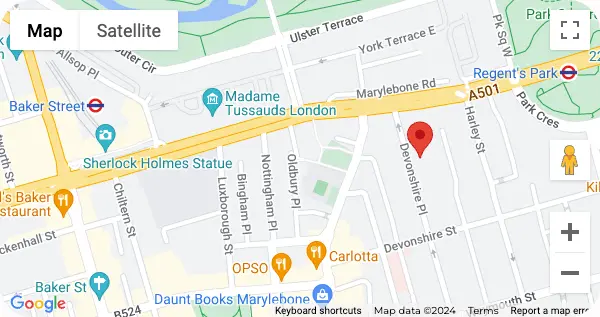
Book your consultation today at Harley Street Skin Clinic.
FAQs
- What are polynucleotides made of?
They are made of purified DNA fragments, usually sourced from salmon or trout.
- Is the polynucleotide injections painful?
The pain is tolerable according to most people. Numbing cream is used to keep you comfortable.
- How long do results last?
Results can last several months, especially with maintenance treatments.
- Are polynucleotides safe for all skin types?
Yes. They are suitable for most skin types, but a consultation is still recommended.
- How do they differ from PDRN?
PDRN is a type of polynucleotide used in medicine, with in aesthetic treatments, broader formulation may be used.
Reserve a polynucleotides appointment
One of our experts will be more than happy to answer any questions you have.
Book Appointment

Ayo
★★★★★
What an amazing clinic, Elizabeth was very welcoming and warm when I first arrived and Rose is extremely knowledgeable and was very helpful in tailoring a treatment programme that suited my specific needs. Would highly recommend!
12th September 2026

Amie-mara M.
★★★★★
Very good advice and amazing staff!
11th September 2026

Sam K
★★★★★
Dr Omar is very knowledgeable and helpful. Best advisory to clients and good bedside manner. Great clinic.
14th September 2026