


Introduction
Thinking about getting FaceTite but you are worried about pain? Many people ask this question before booking this treatment. Anything that involves skin tightening and fat reduction often raises concerns about pain, discomfort, recovery time, and how it will feel both during and after the procedure.
FaceTite is a treatment that is in the middle ground between non-surgical tightening and a full surgical facelift. You may ask why? Because it offers noticeable results, tightening without surgical cuts or undergoing general anaesthetic. Because of this, many people expect it to be painful, but in reality, most patients find it much more comfortable than they imagined.
We explain in this guide what FaceTite really feels like, how pain is managed, how the recovery is day by day, and how it compares to other face tightening treatments so you should have a clear idea of what to expect by the end of the article.
What is FaceTite?
FaceTite is a minimally invasive cosmetic treatment that is used for skin tightening and reducing small pockets of fat on the face and neck. It is used to improve:
- Sagging jawline
- Jowls
- Loose skin under the chin
- Neck laxity
- Lower face definition
This treatment uses radiofrequency (RF) energy. It delivers controlled heat under the skin using a thin probe that is inserted through tiny openings. Once inside the tissue, the device gently heats the area that does two important things:
- It helps melt unwanted fat cells so the body can naturally remove them.
- It helps the body stimulate collagen production, a protein that keeps the skin firm and elastic.
Because FaceTite works below the surface of the skin, it gives stronger tightening effects than treatments that only work on the outside of the skin. At the same time, it avoids the long scars and deep surgery associated with a facelift. This balance is what makes FaceTite popular and why people choose instead of traditional surgery or treatments.
Related read: FaceTite London
Pain During the FaceTite Procedure
General anaesthetic and comfort
FaceTite uses local anaesthetic, which means that the treatment is numbed before anything begins.Once the anaesthetic has fully worked, most people do not feel any sharp pain. Instead they will only feel movement and pressure. This is similar to what people describe during dental procedures, where you know something is happening, but you do not feel any pain.
Some clinics may offer light sedation. This does not put you fully to sleep, but it will help you relax and feel calmer during the procedure.
Sensations you may notice
You may still feel some unusual sensations during the treatment even though the area is numbed. These include:
- A warm feeling under the skin
- Gentle pulling or tugging
- Pressure as the device moves
- A buzzing or vibrating feeling
These sensations are normal. If anything feels uncomfortable, your practitioner can pause, adjust the settings, or apply more anaesthetic.
Related read: What Is FaceTite? Benefits, Procedures & Results
Does FaceTite Hurt After the Procedure?
Immediate after effects
Once the anaesthetic wears off, you will likely feel some discomfort. This does not feel like a sharp pain, but often described as:
- Tenderness
- A bruised feeling
- Tightness
- Mild aching
You may notice swelling and bruising. This is completely normal and happens because the tissues have been heated and gently moved during treatment.
Your face can be sensitive when touched, and your face or neck may feel stiff. This can make expressions or chewing feel slightly uncomfortable at first. But for most people, the discomfort is manageable with pain reliever medicine and proper aftercare.
How long does the discomfort last?
The discomfort usually is at its strongest in the first 2 to 3 days where swelling and inflammation is at its peak.
After this early stage, pain gradually decreases, swelling slowly goes down and bruising starts to fade.
By the end of the week, many people feel comfortable enough to return to daily activities and work. There will also be mild tightness or sensitivity can last for up to 2 weeks, but this is not severe.
Ways to manage discomfort
Most patients manage discomfort with simple tips such as:
- Taking prescribed or recommended pain medication
- Applying cold compress in the first 2 days
- Resting and keeping the head slightly raised.
- Avoiding heavy exercise or strenuous activities.
- Wearing any compression garment as advised
Related read: Everything You Need To Know About FaceTite & Its Cost
Effective & professional doctor-led FaceTite at our central London clinic


Verified Before & After
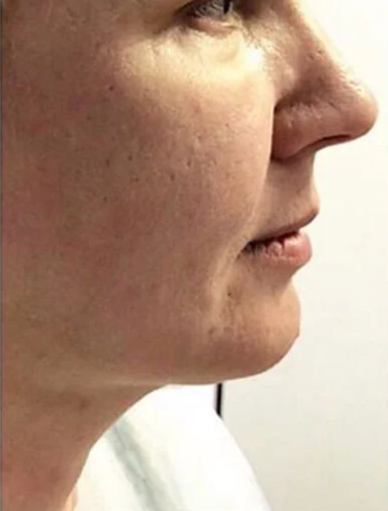
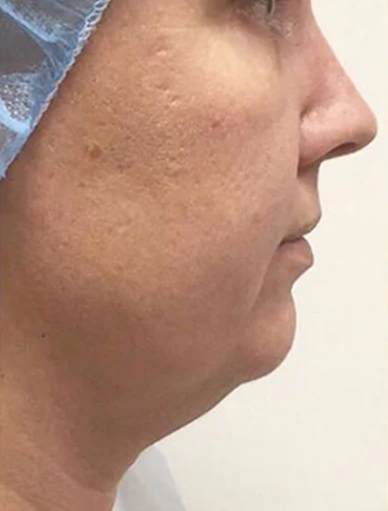
Verified Before & After
FaceTite Recovery Timeline
| Timeline | What to Expect | What to Do |
| Days 1 to 3 |
|
|
| Days 4 to 7 |
|
|
| Weeks 2 to 4 |
|
|
Related read: A Comprehensive Guide to Day by Day FaceTite Recovery: What to Expect
What Can Affect How Much It Hurts?
These are the factors that can influence how much discomfort you feel.
Pain tolerance
People have different pain tolerance. Some are more sensitive, while others feel very little discomfort at all.
Anxiety also increases how you feel pain, that is why being informed and knowing what to expect makes the experience less stressful.
Size of the treated area
Areas like the chin or jawline usually cause less swelling and soreness than larger treatment areas like the full neck or lower face. Expect more inflammation when more tissue is treated.
Practitioner skill and technique
It is important that your practitioner is skilled. Experience matters, precise movements of your practitioner help reduce trauma to surrounding tissue.
FaceTite Aftercare Essentials
Good aftercare leads to comfortable recovery and best results.
- Compression garments: wearing compression garment helps reduce swelling and encourage smoother healing
- Cold compress and rest: cold compress reduces swelling in the first two days. Wrap it in cloth and never place it directly on the skin.
- Activity restrictions
These activities increase swelling and can prolong discomfort, avoid:
- Hard exercise
- Hot baths and saunas
- Steam rooms
- Direct sun exposure
Warning signs to watch for
These signs are uncommon but should always be checked. Contact your clinic if you notice:
- Severe pain
- Worsening redness
- Fever
- Discharge from any entry points
- Numbness that does not improve
Related read: Discover the Transformative Benefits of FaceTite Treatment
FaceTite Compared to Other Treatments
| Treatment | Anaesthesia Used | Pain Level | Recovery and Side Effects | Results |
| Surgical facelift | General anaesthetic | High |
|
Strong and dramatic but with surgery and scars |
| FaceTite | Local anaesthetic | Mild to moderate |
|
Noticeable skin tightening and contouring without large incisions |
| Non-surgical skin tightening (Ultrasound / RF on skin surface) | None | Low |
|
Mild to moderate tightening with subtle results |
FAQs
- Is FaceTite more painful than a facelift?
No. Facelift is more painful because it involves cutting and lifting the skin, FaceTite is minimally invasive so discomfort is lower and recovery is faster.
- Will I be awake during the procedure?
Yes. The treatment area is numb so you would not feel any pain, only pressure and warmth.
- Can I eat and drink after FaceTite?
Yes, you can eat and drink normally once numbness fades. If the jaw or neck was treated, try eating soft foods to feel more comfortable at first.
- Can sedation help reduce the pain?
Light sedation can help reduce worry especially if you are anxious about the procedure, but it is not always needed. Local anaesthetic is enough to control the pain.
Conclusion
FaceTite is designed for people who want to tighten the skin and reduce fat without the pain and long recovery of a traditional surgery. By understanding what FaceTite feels like and how recovery works, you can proceed with the treatment with confidence and realistic expectations. There is no cosmetic procedure free of discomfort, but FaceTite is considered a comfortable option with short recovery time and noticeable results.
Reserve a facetite appointment
One of our experts will be more than happy to answer any questions you have.
Book Appointment

Alex Longson
★★★★★
Dr Waites saw me early, listened and attended to my needs! In all a great experience.
28th March 2026

Monika Sliskova
★★★★★
Great service
25th March 2026

Annie Doble
★★★★★
Thank you to Rose! She was the best would recommend her any day!!
25th March 2026