


Summary Overview
- According to the current studies of Botox, if the procedure is performed properly there is an extremely low risk when breastfeeding.
- However, the UK does not have any official guidelines whether Botox is fully safe for breastfeeding.
- If you are currently breastfeeding and planning to have Botox, it is best to consult with a healthcare professional first to further explain how this can affect you and the possible risks.
What You Will Learn About This
- You will learn about how Botox works, and how it could or could not be transferred into breast milk.
- You will learn about the latest studies showing the detection levels in breast milk and infant risk.
- You will learn about the different risks and benefits of receiving Botox treatment while breastfeeding most especially in cases like newborn or preterm babies.
Everything You Need To Know About Botox: Cosmetic & Medical
Generally, Botox is what most people know but actually, it is just one brand of a protein that is called Botulinum Toxin Type A. You might come across other popular brands like Dysport, Xeomin, and Nuceiva, which are functioning in the same way by temporarily relaxing the muscles. The only difference is how they are manufactured and how much they spread once it is injected. To give you an idea, for example, some brands might start to kick in a day or two faster, while others are “pure” formulas without extra proteins. They may have different brands of tissues, and work with the same purpose, but it will still depend on the exact area of your face they are treating.
Most people associate Botox with aesthetic purposes especially for people dealing with skin aging like smoothing out dynamic wrinkles, frown lines, crow’s feet, t and forehead furrows. However, Botox does not only function for aesthetic purposes, it can also be a powerful medical treatment that goes far beyond aesthetics. Doctors may recommend Botox for people dealing with chronic migraines, stop excessive sweating, and calm overactive bladders or muscle spasms. Whether you want to do Botox for cosmetic or medical purposes, it is important to know that it can only provide temporary results and not a permanent one.
Effective & professional doctor-led Botox at our central London clinic
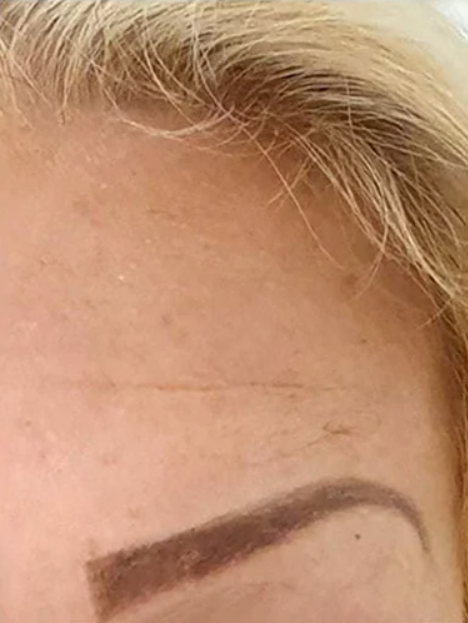
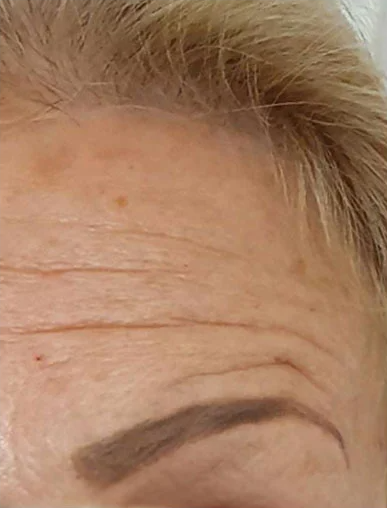
Verified Before & After
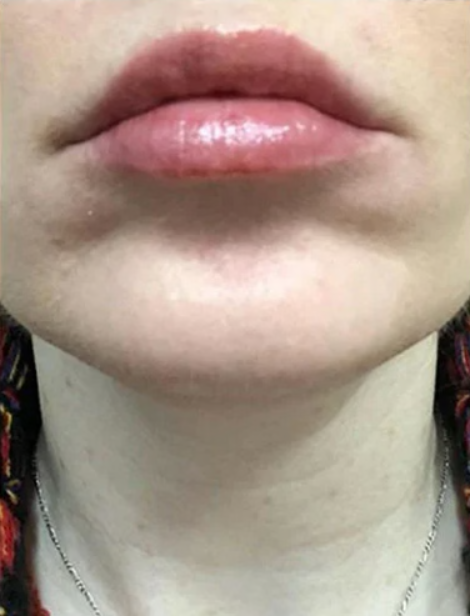
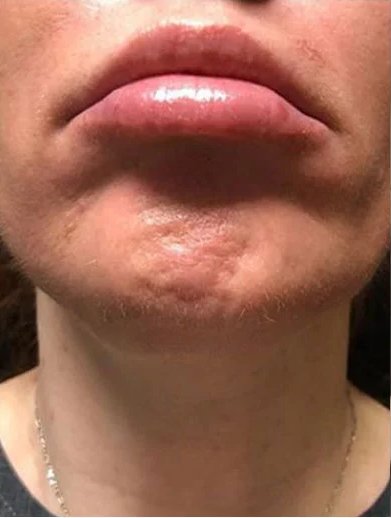
Verified Before & After
How Botox Works in the Body When Breastfeeding
Botox is a treatment where it is injected through very small controlled doses directly injected into specific muscles. Because its molecule is exceptionally large and heavy, it is typically difficult physically for it to move far from where it was placed. According to most medical experts, they agree that the toxin primarily stays locally which binds the nerve endings at the injection site instead of entering your general bloodstream in any significant amount. Because it doesn’t circulate widely to your body, it is likely & naturally very difficult for the Botox to reach the breast tissue or be filtered into your milk.
Currently, the research on this topic is still limited and further study is still ongoing. In order for a significant substance to enter breast milk, it should be first present in the mother’s blood. According to studies, typical cosmetic doses of Botox typically do not produce detectable levels in the bloodstream of the mother. Even in the most rare cases, like where mothers contracted actual botulism from contaminated food, there is still no found toxin in their breast milk. Nursing infants remained healthy and not affected by it. This only shows that the individual body has its natural barriers that make it extremely unlikely to contain any specific toxin or could possibly transfer to an infant through nursing.
The UK Guidance About Botox and Breastfeeding
Currently, in the UK, there is still a lack of formal and official guidelines regarding the use of Botox while breastfeeding. This often leads various medical advise from different clinics as well. Generally, the NHS takes a precautionary approach. While many practitioners believe the risk of Botox while breastfeeding is minimal, most medical professionals would advise patients not to undergo any Botox treatment to ensure the 100% safety of the infant since there might be possible risks even if there is no proven study yet.
The Possible Risks of Botox During Breastfeeding
According to the recent studies in 2024 and 2025, there have been concrete numbers on how much Botox actually enters breast milk. Based on the research published in Frontiers and analyzed by IABLE, it was found that while there have been trace amounts of detectable toxins in about half of the breastfeeding women tested, the levels were incredibly low. It only peaked at roughly 167 to 747 picograms per ml. This simply means that these concentrations are lower than the estimated lethal oral dose for an infant which is usually at 1 microgram per kilogram.
While there is still no reported adverse reactions in nursing infants from maternal Botox, doctors would still advise patients to be cautious. Most especially for newborns or preterm babies. This is because younger infants have less developed immune systems and more sensitive even tiny amounts of a neurotoxin. It would be best to consult with your doctors first to fully ensure that you are safe to undergo Botox while you are still breastfeeding.
Things To Keep In Mind For Mothers Considering Botox
Before booking your Botox appointment, it is very important to have a thorough consultation with your chosen healthcare provider to know everything about the treatment and how it could affect your breastfeeding. If you are considering Botox for medical purposes, the benefit of keeping the mother healthy and 100% physically capable often outweighs the low risk to the infant. For those who are considering Botox for cosmetic treatments, since this is more of a personal decision, your doctor will most likely suggest waiting until your baby is older and consuming more solids, maybe around 6 months to reduce the infant’s total reliance on breast milk. It would be best to be discussing this with a GP or a lactation consultant so that it can help you feel confident in your choice.
You should consider the peak timing of the toxin’s activity and your infant’s age when you are scheduling your Botox appointment. The majority of the mothers would find peace when the schedule of the procedure is immediately after a long feeding session or maybe right before a long nap. This will be able to give the body a few hours to process the initial injection. It might also help if you choose to schedule the treatment when you have a small stash of expressed milk ready. However, while there is still no official study and medical ruling about this, medical experts still recommend waiting until the baby is past the newborn stage or at least 12 weeks for you to consider getting a Botox.
Related read: Botox and Pregnancy: Can You Get Botox While Pregnant?
Most Frequently Asked Questions
- I am a breastfeeding mother, can I get Botox safely?
Yes, but you still need to consult with medical professionals to ensure your full safety.
- I’m worried that Botox might be detectable in my breast milk, if so, how much?
According to the studies from 2024/2025, they have found only trace amounts which is only around 167 to 747 picograms per milliliter in milk. This is considered not harmful to an infant.
- Does it affect my milk supply or infant feeding behaviour?
There is still no official medical evidence that Botox affects the milk production or infant feeding behavior.
- What if my baby is newborn or preterm – is it more risky then?
Again while there is still no evidence to this, mothers are advised to be more cautious especially if they have a newborn or preterm. It would be best to wait past its newborn stage and wait for at least 12 weeks before undergoing the treatment.
Reserve a botox appointment
One of our experts will be more than happy to answer any questions you have.
Book Appointment

Alex Longson
★★★★★
Dr Waites saw me early, listened and attended to my needs! In all a great experience.
28th March 2026

Andrea Osborn
★★★★★
Dr Tee is lovely. Couldn’t meet a lovelier doctor. Completely trustworthy.
1st April 2026

Oliver Salt
★★★★★
Dr Tee was exceptional - I am very happy.
1st April 2026