


Summary Overview
- It is a medically proven treatment that works for overactive bladder especially when medications and behaviour changes aren’t enough of help.
- This treatment works by relaxing the bladder muscles in reduced urgency, frequency & leakage.
- The effect of this treatment typically lasts around 6 to 9 months. You might need to have repeat injections if needed..
- There are also risks to keep in mind which includes urinary retention, infections, and possible need for intermittent catheterisation.
- This treatment is available via the NHS in certain cases. If you choose to do it through a private clinic, the price varies.
What You Will Learn
By the end of the article, you will learn about the following:
- You will learn about bladder botox and how it actually works.
- You will learn how to evaluate whether bladder botox may be a suitable option for specific symptoms.
- You will learn how to compare bladder botox with other treatments when it comes to its efficacy, cost, and risks.
- You will learn about the injection procedure involved in the UK.
- You will learn about the different concerns to discuss with a healthcare professional when it comes to bladder botox.
What You Need To Know About Overactive Bladder
An OAB or also known as overactive bladder is primarily caused by the detrusor muscle. It is the muscle which surrounds the bladder and contracts involuntarily before the bladder is actually full. This typically creates a sudden and urgent need to urinate. Some of its common triggers also include neurological conditions like Parkinson’s or MS, bladder stones, or usually urinary tract infections. However, according to some people, it’s idiopathic. This means that the nerves sending signals between the brain and bladder significantly become over-sensitized without a clear reason. This is often exacerbated through caffeine, alcohol, or other hormonal changes during menopause.
It is defined through a quartet of symptoms: urgency or the sudden feeling of must go now, , frequency when it comes to urinating which is usually more than 7 times within the day, waking up multiple times at night just to go to the bathroom, and sometimes the urge incontinence which means leaking before reaching to the toilet. Its impact on the quality of life is very profound. A lot of people suffer it so they would intentionally plan out bathroom locations when they are out for holiday or casually somewhere. This could potentially lead to social withdrawal, sleep deprivation, and significant anxiety on your daily schedule or routine.
Everything You Need to Know About Bladder Botox
In medical terms, OnabotulinumtoxinA is the most commonly known brand of Botox used. Compared with other cosmetic treatments that work by smoothing out wrinkles, this neurotoxin works through injection directly into the bladder wall which temporarily relaxes its overactive detrusor muscle. This treatment works by blocking the chemical signals that send signals to the muscle to contract. Through these signals, the bladder will then hold more urine and reduce the pressure that creates the emergency or frequency of going to the toilet.
In the UK, according to the National Institute for Health and Care Excellence guidelines, Bladder Botox is typically tagged as a second-line or third-line treatment. This treatment is significantly suitable for someone who has the following:
- Someone who has confirmed Detrusor Overactivity through a urodynamics test.
- Someone who has found lifestyle changes such as bladder retraining and cutting caffeine ineffective.
- Someone who has tried at least two types of anticholinergic medications like Oxybutynin or Beta-3 agonists without seeing any success results or with intolerable side effects like dry mouth.
- Someone who is willing and able to perform self-catheterisation if needed
Effective & professional doctor-led Botox at our central London clinic
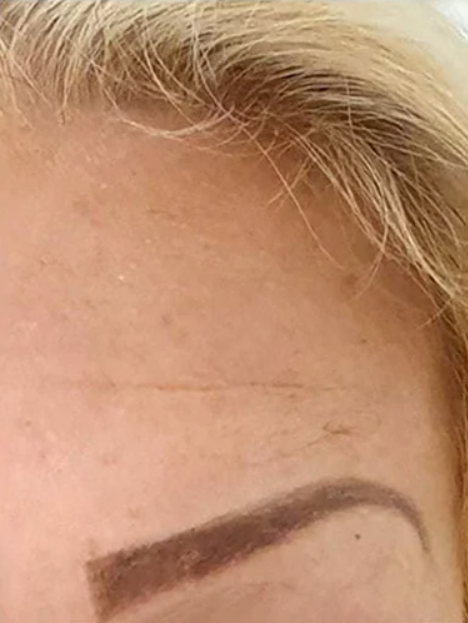
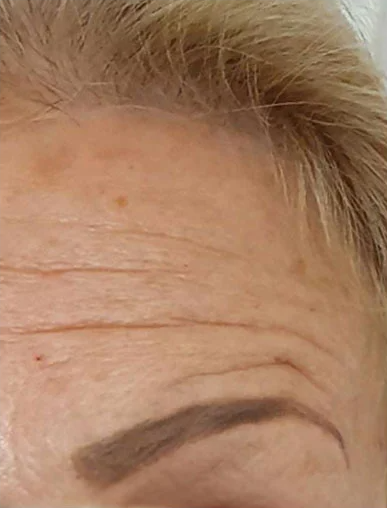
Verified Before & After
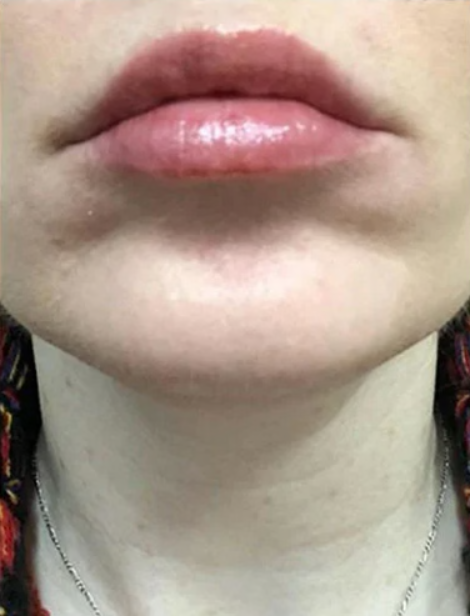
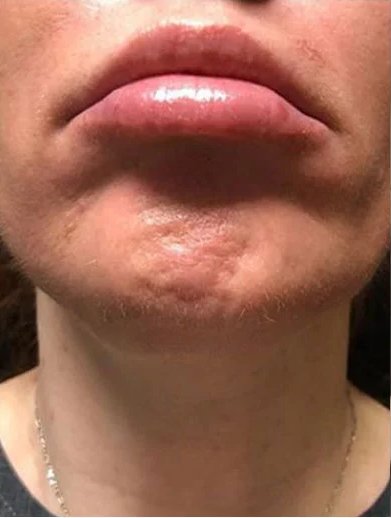
Verified Before & After
How Does Botox Work For The Overactive Bladder
This treatment works by acting as a circuit breaker between the nerves and the bladder muscles. If you have an overactive bladder, your detrusor muscle will receive excessive or premature signals to contract. When Botox is injected into your bladder wall, it will then enter the nerve endings and will prevent the release of acetylcholine which is responsible for sending signals chemical for muscle contraction. Through this action, it relaxes your bladder wall and increases its capacity to store urine. It will also significantly reduce the sudden spasms that cause frequency of going to the toilet.
This is not a permanent treatment, however, it provides long-lasting result. According to the majority of the patients who have undergone the treatment, they begin to notice a reduction in urgency within 3 to 7 days. Its full effect typically peaks at the 2-week mark from the time they started the treatment. On average, this typically lasts between 6 to 9 months. However, some patients may find relief for up to a year. Once the effect of the treatment has officially worn off and you are experiencing the same symptoms as before, you can definitely repeat the same procedure.
What Is The Injection Procedure
Bladder Botox is usually performed using a cystoscope. It is a thin and flexible camera which passes through the urethra into the bladder. Your urologist will use a tiny needle passed through the scope which can deliver approximately 10 to 20 micro-injections of Botox into specific sites of your bladder wall. The treatment is typically quick and only takes 15 to 30 minutes.
In the UK, this treatment is usually performed in the daytime and you don’t need to stay overnight in the clinic. Here are some of the things to prepare as well:
- Anaesthesia: The majority of the patients often choose local anaesthetic gel and they remain awake all throughout the procedure. However, there is also an option where you can choose to undergo a general anaesthetic or spinal sedation. This usually happens if the patient is particularly anxious or might have other medical needs.
- Setting: This treatment can be performed in a specialised outpatient “clean room” or a standard hospital room.
- Preparation: Usually, you will be asked to provide a urine sample before the procedure. This is to ensure that you do not have any active Urinary Tract Infection (UTI) because the procedure cannot be administered if you have an existing infection.
What Are The Pros and Cons of Bladder Botox
The main advantage of bladder Botox is the high efficacy for patients who have failed using traditional medications. According to the British Association of Urological Surgeons, there is a success rate of approximately 70% to 80% in significantly reducing urge incontinence. The majority of the patients have reported that it has become a life changing treatment for them and they have reduced the number of daily bathroom trips everyday. This may look like a small change for some but if it affects your lifestyle then it could be a life changing treatment for you. Compared with other daily medications, Botox provides a significant relief that could last months and up to a year.
While the treatment is generally safe, there are risks that you still need to consider:
Urinary Tract Infections (UTIs): About 1 to 5 patients, UTI is the most common side effect. If this happens, you will typically be prescribed to take antibiotics to treat this.
Urinary Retention: Botox works too well and it might make the bladder muscle too relaxed to squeeze effectively. This usually happens in about 5 to 10% of cases. If this happens, you might be prescribed a clean intermittent catheter (CIC). It is a small disposable tube to empty your bladder manually until this side effect wears off slightly. This usually lasts a few weeks.
Hematuria: You might experience seeing a small amount of blood in your urine for 24–48 hours after the procedure.
What Is Its Cost & How To Access It in the UK
Bladder Botox is widely available on the NHS in the UK. Provided that you have already followed lifestyle changes and at least two types of medication without seeing any positive results. The waiting time for NHS treatment usually varies. It often ranges from several months to over a year. Alternatively, there are a lot of private urology clinics to choose from that also offer the procedure. If you choose to undergo the Bladder Botox through a private clinic, this usually costs between £1,500 and £2,500 per treatment session. It still depends so it is very essential to have a thorough consultation first to know about it and have a personalized quotation.
Is Bladder Botox Right for You?
You need to be 100% sure if this is the right treatment for you before deciding to push it through. It is a recommended treatment for you if generally, your quality of life is severely impacted by overactive bladder symptoms and there are no effective standard medications working for your symptoms. However, you also need to consider asking yourself if you are willing to perform clean intermittent self-catheterisation on the off-chance you are among the 5–10% of patients whose bladder becomes too relaxed to empty naturally. These concerns can all be discussed with your healthcare provider before the procedure. Make sure to choose a reputable clinic and be successful in doing Bladder Botox before deciding to do it.
Reserve a botox appointment
One of our experts will be more than happy to answer any questions you have.
Book Appointment

Zoheb Ahmed
★★★★★
Dr Basu was very friendly, welcoming and answered all my queries really well
20th February 2026

Filosa Kamba
★★★★★
Rose is wonderful human being,very helpful and I am glad I visit and met someone like her
21st February 2026

Zsófi
★★★★★
Great clinic, friendly and very professional staff, efficient treatments with visible results.
23rd February 2026