


Introduction
FaceTite is a minimally invasive treatment that helps tighten your skin and reduce small areas of fat on your face and neck. It works by using radiofrequency energy to gently heat the deeper layers of your skin to encourage its tightening and reshaping.
Even though it is often seen as a safer and less invasive option compared to a traditional facelift, it is still a medical procedure. This means that you can still experience possible side effects.
Knowing these side effects is important because it helps you understand what is normal after your treatment, what recovery might feel like, and when you should seek medical advice.
Most of these side effects are mild and temporary, but being prepared can make your recovery smoother and less stressful.
What is FaceTite?
FaceTite is a minimally invasive cosmetic treatment that helps tighten your loose skin and improve the shape of your face.
It uses a technology called radiofrequency-assisted lipolysis (RFAL), which means it gently uses heat to:
- Reduce small areas of your fat
- Help your skin become firmer over time by boosting collagen
It is often used on areas like your:
- Jawline
- Lower face
- Neck
- Jowls
The goal is to give you a more defined and lifted appearance without needing a full surgical facelift.
Read more: What Is FaceTite? Benefits, Procedures & Results
How Does It Work?
During your procedure, a very small probe is placed just under your skin through a tiny entry point.
This probe sends controlled heat (radiofrequency energy) into the deeper layers of your skin. This process:
- Breaks down small fat deposits
- Tightens the tissue under your skin
- Stimulates new collagen, which helps firm your skin over time
After your treatment, your skin will not change instantly. Instead, it becomes tighter and more lifted over the next few weeks as your body heals and produces more collagen.
Read more: Does FaceTite Work? A Comprehensive Review of Results and Experiences
Common Side Effects of FaceTite
Swelling After FaceTite
Swelling is the most common side effect and may usually appear right after your treatment.
What you can expect:
- It gets worse in the first 2–3 days
- It will slowly improve over 1–2 weeks
- May last a bit longer if you were treated on large areas
This can happen because your body sends fluid and healing cells to the area that has been treated. Your doctor may recommend you to wear a compression garment to help reduce your swelling faster.
Bruising and Discolouration
Bruising is also very common, especially on your jawline and neck.
You may see:
- Blue, purple, or yellow marks on your skin
- Mild soreness in the bruised areas
This usually fades within 1–2 weeks as the blood under your skin is reabsorbed by your body naturally.
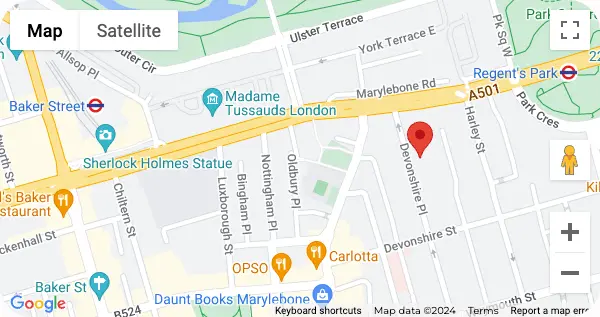
Effective & professional doctor-led FaceTite Side Effects at our central London clinic
Tenderness and Pain
It’s normal that you feel some discomfort for a few days after your procedure.
This may cause you to feel:
- Muscle soreness
- Tight or pulled skin
- Sensitivity when touching the area
Your doctor may recommend a pain reliever to help you manage them easily.
Numbness or Tingling
Some people notice temporary changes in how their skin feels.
This can include:
- Mild numbness
- Tingling sensation
- A pins and needles feeling
This happens because your nerves are slightly affected by swelling and heat. It usually goes away on its own within a few weeks.
Redness
Mild redness can appear just right after your treatment.
It is usually:
- Only in the treated area
- Short-lasting (a few days)
- More noticeable if you have sensitive skin
This is a normal part of your skin’s healing process and fades as the inflammation goes down.
Recovery Time After FaceTite
What to Expect During Recovery
Recovery after your FaceTite is usually manageable, and most of your side effects gradually improve over the first few weeks. However, your healing may happen in stages.
Days 1–3 : Swelling and Bruising Peak
During the first few days after your treatment, swelling, bruising, and mild discomfort are usually at their peak. You may feel tender, firm, or slightly numb, in the treated area. These reactions are normal and are part of your body’s natural healing response.
Days 4–7: Visible Improvements Begin
As the first week progresses, swelling and bruising typically start to decrease. Many people feel more comfortable returning to some of their light activities during this period. Although you may still see some slight swelling in the treated area, the most noticeable side effects are often beginning to fade.
Weeks 2–3: Most Side Effects Settle
By the second or third week, most swelling and bruising have significantly improved. Your skin will generally look more natural, and you may feel confident resuming your normal social activities. You can still see some mild swelling and feel the firmness, but it is usually much less noticeable.
Weeks 4-12: Skin Tightening Continues
Even after your recovery is completed, the treatment continues to work beneath your skin. The heat that has been generated during FaceTite stimulates collagen production, which helps tighten and firm your skin over time. During this stage, many patients begin to notice the gradual improvements in their skin’s texture, contour, and overall firmness.
When Can You See the Final Results?
Although many people feel and look recovered within 1 to 2 weeks, their healing process continues internally for several months. Collagen remodelling takes time, so the full benefits of your FaceTite may not become obvious until 3–6 months after your treatment. This gradual improvement is a normal part of your healing process and contributes to the natural-looking results where the FaceTite is known for.
Tips for a Smooth Recovery
Follow Your Clinics Aftercare Instructions
Your treatment provider will give you instructions based on the areas treated and your individual needs. Following these recommendations carefully is one of the most important things you can do during your recovery.
Wear Compression Garments if Recommended
You may be advised to wear a compression garment around your face and neck. These garments can help support your treated tissues, reduce swelling, and promote a smoother healing process. Be sure that you wear it for the length of time recommended by your provider.
Manage Swelling Properly
Expect mild to moderate swelling after your FaceTite. Applying cold compresses during the first few days may help reduce your discomfort and limit your swelling, but only if your provider approves it. Always follow your clinic’s guidance on when and how to use them.
Avoid Smoking and Alcohol
Smoking and excessive use of alcohol can interfere with your body’s natural healing processes. Smoking, in particular, can reduce the blood flow to your tissue, which may delay your recovery. It can help your body recover more easily if you avoid both of them during your healing period.
Take a Break from Intense Exercise
Avoid those strenuous workouts, heavy lifting, and activities that can significantly raise your heart rate for about 1 to 2 weeks, or as advised by your doctor. You can still do light walking. You just need to give your body some time to heal to help reduce swelling and lower your risk of complications.
Sleep with Your Head Elevated
Keeping your head slightly elevated when you sleep can help minimise your swelling, especially during the first week after your treatment. You can also use an extra pillow or you can sleep in a slightly reclined position to make your recovery more comfortable.
Be Patient With the Healing Process
We know that you really want to see the results immediately, but FaceTite improvements develop gradually. While the swelling may decrease within a few weeks, the production of your collagen and tightening of your skin continue for several months. Giving your body the time it needs to heal will help you achieve the best possible results.
Always remember that good aftercare is not just about reducing your discomfort. It also helps support your smoother healing and allows your final FaceTite results to be as effective as possible.
Less Common But Serious Risks
Burns or Skin Injury
FaceTite delivers controlled heat beneath your skin to tighten the tissues and stimulate collagen production. Because there’s heat involved, you have a small risk of burns or skin injury if the energy is not carefully monitored. Fortunately, this is very rare when the treatment is done by a qualified and experienced practitioner.
Infection
FaceTite procedures need small incisions or entry points in your skin, so it carries a slight risk of infection.
Possible signs of infection include:
- Increasing redness
- Warmth around the treated area
- Discharge or pus
- Pain that worsen instead of improving
You should follow your doctor’s aftercare instructions and keep the area clean to help reduce your risks.
Irregular Contours or Lumps
You may notice mild unevenness, firmness, or small lumps beneath your skin as your swelling begins to settle. In most cases, these changes are temporary and improve naturally as the tissues heal and remodel over the following weeks and months.
Pigmentation Changes
Some people may experience temporary changes in the pigmentation of their skin after their treatment. This can appear as:
- Darker patches of their skin
- Lighter areas of their skin
These changes usually fade over time and may be more noticeable if you have sensitive skin or darker skin tones.
Prolonged Swelling or Firmness
In rare cases, some patients experience swelling or firmness that last longer than what they have expected. This should always be reviewed by your practitioner to ensure that you are healing properly.
How to Reduce the Risk of Side Effects
Choose an Experienced Practitioner
This is the most important step you can take before getting your treatment. Make sure that your FaceTite treatment is performed by a qualified and experienced medical professional at a trusted clinic.
Follow Aftercare Instructions Carefully
Proper aftercare can help support your healing and reduce your risks. This may include:
- Keeping your treated area clean
- Avoid touching the treated area unnecessarily
- Take any medications prescribed by your doctor
- Attending your follow-up appointments
Be Honest About Medical History
Before your treatment, tell your practitioner about:
- Any medical conditions you have
- Medications or supplements you take
- Smoking or alcohol use
This information will help your practitioner to plan the safest treatment for you.
Related Read: Understanding FaceTite: How Long Does It Last and What to Expect
FAQs
- How long does swelling last after FaceTite?
Most swelling may improve within 1–2 weeks, although mild swelling may last a little longer in some people.
- Are the side effects of FaceTite permanent?
In most cases, no. Common side effects such as swelling, bruising, tenderness, and numbness are temporary and improve as your skin heals.
- When can I return to normal activities?
Most people can return to their light daily activities within a few days after their treatment. But, you should avoid strenuous exercise, heavy lifting, and other intense physical activities for about 2 weeks, or as advised by your provider.
Conclusion
FaceTite is a minimally invasive procedure that can be used to tighten your skin and improve your facial contours. It is generally safe, but it comes with some common side effects like swelling, bruising and mild discomfort.
The good news is that most of these side effects are mild and temporary, and they usually go away as your body heals. With proper aftercare and choosing the right practitioner, your risks can be lower and your results can look natural and long lasting.
If you are thinking about getting your FaceTite, understanding your recovery process and possible side effects can help you make a more informed decision.
Reserve a facetite appointment
One of our experts will be more than happy to answer any questions you have.
Book Appointment

Wajiha Azam
★★★★★
Dr Omar is very considerate and helpful. He listened to my entire history and then gave me the necessary advice and treatment. I’ll surely be returning to this clinic!
10th August 2026

My Nhi Dang
★★★★★
Dr Khan was really great during my consultation and treatment. Was very helpful and welcoming and explained things clearly. Thank you!
8th August 2026

Blaise Boulton
★★★★★
Quick and friendly service from Dr Omar
10th August 2026