


Introduction
FaceTite is a popular procedure for treating loose skin and enhancing the contours of your face without the traditional surgery. This is a quick procedure and the recovery process play a big role in how your end results look.
Knowing what happens during the healing period reduces worry, helps you feel more confident, and allows you to care for your skin properly. This guide explains everything you need to understand from the first 24 hours through to long-term results.
This article is written for patients who are considering FaceTite or who have had this treatment and want a clear, and realistic timeline of what to expect.
In this article, you will learn:
- What FaceTite does to the skin
- Why recovery is important
- What happens day by day
- How long swelling and bruising last
- When results usually appear
- How to take care of your skin
- When to seek your doctor’s advice
- How recovery compares to Morpheus8
What is FaceTite and how it works
FaceTite is a minimally invasive skin tightening and contouring treatment that uses radiofrequency energy. This technology is known as radiofrequency-assisted lipolysis (RFAL)
In simpler terms, FaceTite:
- Heats tissue under the skin
- Melts small pockets of fat
- Tightens loose skin
- Stimulates collagen production
The device uses two probes. One is placed under the skin and the other is placed on the surface. These work together to gently deliver controlled heat to the tissue.
This heat makes the fat cells melt so the body will naturally reabsorb them. At the same time, the heat encourages the skin to contract and produce new collagen.
Related read: FaceTite London
Typical treated areas and common goals
Facetite can be used on:
- Jawline
- Jowls
- Neck
- Lower face
- Cheeks
- Under the chin
People choose FaceTite to:
- Improve their jawline definition
- Reduce sagging skin
- Soften jowls
- Tighten loose neck skin
- Improve facial shape without surgery
Why understanding recovery is important
FaceTite still affects the tissues beneath the skin even if it is not a surgical procedure. Heat from radiofrequency energy and the disruption of fat can cause inflammation, which causes swelling and bruising.
If you understand the recovery, it will help you to:
- Prepare time off work
- Understand what is normal
- Avoid unnecessary worry
- Care for your skin properly
- Protect your results
Related read: Everything You Need To Know About FaceTite & Its Cost
Effective & professional doctor-led FaceTite Recovery at our central London clinic


Verified Before & After
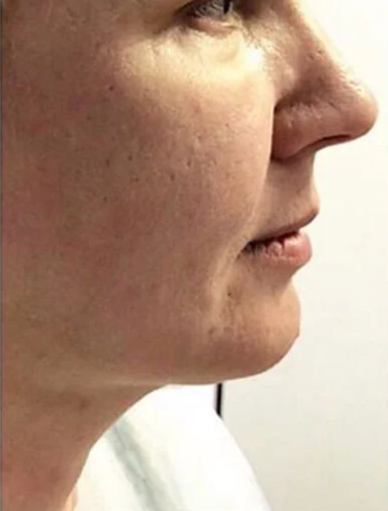
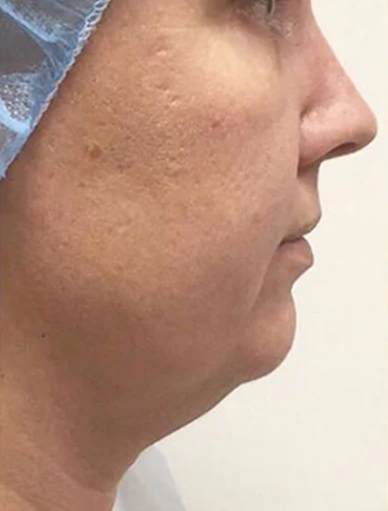
Verified Before & After
Why the Recovery Phase Matters
These are the important changes that are happening inside the skin after FaceTite:
- Melted fat is slowly reabsorbed
- Inflammation settles
- Collagen production is boosted
- Skin tightens gradually
This is the reason why results do not appear instantly. You may notice early changes when the swelling reduces, but full tightening of the skin appears gradually.
Set realistic expectations. FaceTite can give visible improvement, but it does not replace a surgical facelift.
Day by Day FaceTite Recovery
| Timeframe | What to Expect | Recommended Care |
| First 24 hours |
|
|
| Day 1 |
|
|
| Days 2 to 3 |
|
|
| Days 4 to 7 |
|
|
FaceTite Recovery Photos Day by Day
Photos are helpful to track your own progress and manage expectations.
If you choose to take photos:
- Use the same lighting
- Take photos at the same time of day
- Keep the same facial expression
- Take front and side views
- Avoid using filters
Photos can help you monitor:
- Reduction on swelling
- Fading bruises
- Improvement in contour
- Tightening of skin
FaceTite Recovery Timeline: One Week and Beyond
| Timeframe | What’s Happening | What to Expect | Care Tips |
| Weeks 2 to 3 |
|
|
|
| Weeks 4 to 6 |
|
|
|
| Months 3 to 6 |
|
|
|
Long-Term Results and Maintenance
FaceTite results last between 3 to 5 years or more and these tips play a big role to help maintain results:
- Use SPF daily
- Avoid smoking
- Eat a balanced diet
- Keep your weight stable
- Only use quality skincare
- Consider maintenance treatments
Morpheus8 vs FaceTite: Recovery Compared
These treatments both use radiofrequency energy but they work in different ways.
Morpheus uses microneedles to deliver RF energy into the skin. FaceTite delivers RF energy under the skin and melts fats.
Related read: Morpheus8 London
Similarities:
- Both tighten the skin
- Both stimulate collagen
- Both have less downtime than surgery
Differences:
- FaceTite treats deeper fat
- Morpheus focuses on skin texture
- FaceTite usually causes more swelling
- Morpheus recovery is much quicker
Related read: Morpheus8 Aftercare: What Should I Do After My Treatment?
Practical Aftercare Tips for UK Patients
Good aftercare will help you in healing and improve the final results.
These are the important tips to include:
- Wear compression as instructed
- Cleanse gently
- Only use mild skincare for 3 weeks
- Do not lift heavy loads for 1 to 2 weeks
- Sleep with your head elevated
- Drink lots of water
- Avoid drinking alcohol
- Protect the skin from the sun
- Use SPF once healing allows
When to Contact Your Clinic
Contact your clinic if you notice any of these warning signs:
- Swelling that worsens after 7 to 10 days
- Severe and increasing pain
- Redness and warmth
- Any signs of infection
- Uneven results
- Changes in skin colour
- Long lasting numbness
- Delayed healing
FAQs
- How long is the recovery from FaceTite?
Swelling improves within 1 to 2 weeks and full tightening of the skin can take up to 3 to 6 months.
- When will I see the final results?
It usually appear between month 3 and 6 as the collagen develops.
- Is swelling and bruising normal?
Yes. They are completely normal and expected during healing.
- How soon can I return to work after FaceTite?
Many patients return to work during 5 to 7 days, depending on swelling.
- What are the aftercare tips that are important?
Compression, rest, hydration, gentle skincare, and sun protection.
- What is the difference in recovery between Morpheus8 and Facetite?
FaceTite causes more swelling because it treats deeper tissues, while Morpheus8 mainly affects the skin surface and often has shorter downtime.
Reserve a facetite appointment
One of our experts will be more than happy to answer any questions you have.
Book Appointment

Jim Kleverweis
★★★★★
Wonderful experience on the consultation. Quick scheduling for follow up.
22nd June 2026

Naomi Isted
★★★★★
Absolutely excellent staff, service and medical team! So pleased with my FaceTite and bodytite results!
16th May 2024

Yasmin In
★★★★★
Mr Omar was amazing. Very professional and experienced.
23rd June 2026